


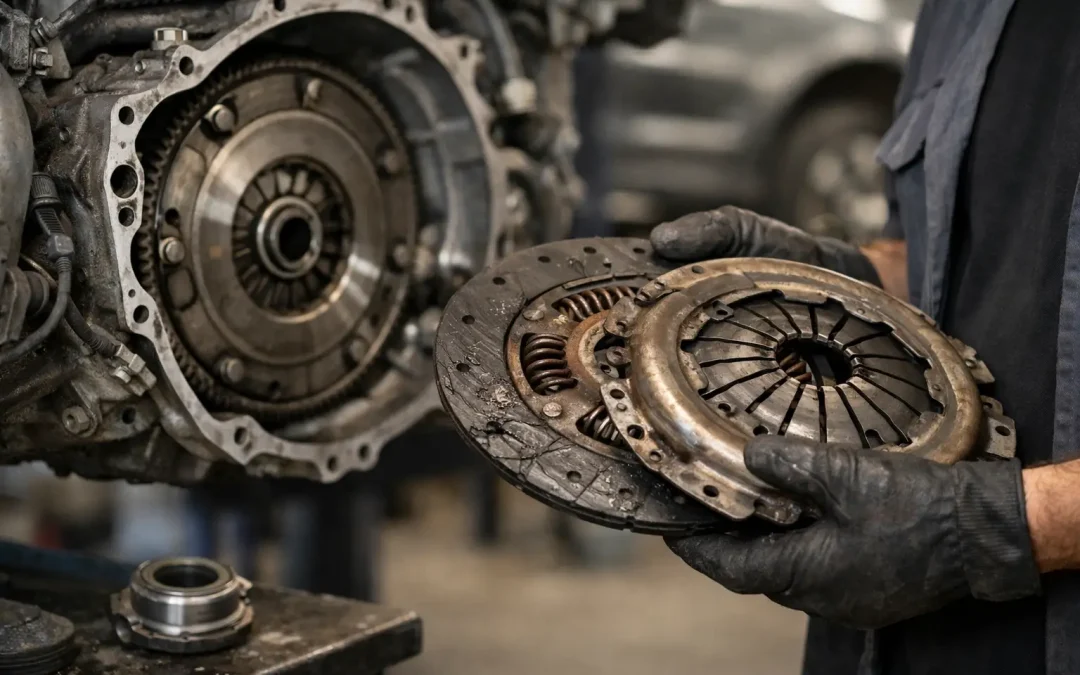
You put your foot down, the revs climb, and the car does not pull the way it should. If you are asking, “why is my clutch slipping”, that usually means the clutch is no longer gripping properly between the engine and gearbox. It can start as a small change in feel, but if it is ignored, it can quickly turn into a vehicle that is unpleasant to drive, unsafe in traffic, or unable to move properly at all.
A slipping clutch is not always caused by one simple fault. Sometimes it is normal wear. Sometimes it points to contamination, an adjustment issue, or damage in the clutch system itself. The key is getting the problem diagnosed properly before you spend money on the wrong repair.
What clutch slip actually means
Your clutch is designed to connect engine power to the gearbox smoothly. When it is working properly, drive is transferred cleanly as you release the pedal. When it starts slipping, the clutch friction surfaces cannot hold that power firmly enough. The engine revs increase, but the vehicle speed does not rise in step.
Drivers often notice it first when accelerating up a hill, overtaking, towing, or taking off with a load on board. In some cases, the clutch may feel mostly normal around town, then slip badly when the vehicle is under heavier demand. That is one reason these faults can be missed early.
Why is my clutch slipping? The most common causes
The most common reason is a worn clutch disc. Over time, the friction material simply wears down. Once it gets too thin, it cannot grip the flywheel and pressure plate the way it should. This is especially common in vehicles that do a lot of stop-start driving, towing, or hard launches.
A weak or damaged pressure plate can cause the same symptom. The pressure plate is what clamps the clutch disc in place. If it loses clamping force, the disc may still have some life left in it, but the clutch can still slip under load.
Heat damage is another possibility. If a clutch has been overheated, the friction surfaces can glaze or harden. That reduces grip and often brings a burnt smell with it. Drivers who tow regularly, drive in heavy traffic, or ride the clutch on hills tend to see this more often.
Oil contamination also matters. If engine oil or gearbox oil leaks onto the clutch assembly, the friction surface can become slippery. In that case, replacing just the worn part may not be enough. The leak needs to be found and fixed or the same problem can come back.
In some vehicles, clutch hydraulic issues or incorrect pedal adjustment can stop the clutch from fully engaging. That is less common than wear, but it does happen. It is one of the reasons proper diagnosis matters. A clutch that feels like it needs replacing may actually have another fault contributing to the slip.
The signs a clutch is slipping
The classic sign is rising revs without matching acceleration. You press the throttle, the engine sounds busy, but the car feels lazy or struggles to pick up speed.
Another common sign is a burning smell after take-off, hill starts, or towing. That smell can be clutch material overheating. Some drivers also notice the bite point has changed, often moving higher in the pedal travel.
You may also feel poor performance in higher gears. A slipping clutch often shows up sooner in fourth, fifth or sixth gear because the clutch is being asked to hold more load. In early stages, it might drive acceptably in lower gears and only slip when you ask more from it.
If the problem is more advanced, the vehicle may feel inconsistent, shudder under load, or struggle badly when carrying passengers, tools, or a trailer. In a manual 4×4 or work vehicle, that can become a serious issue quickly.
Can I keep driving with a slipping clutch?
Sometimes, yes – briefly. But that does not mean you should leave it.
A clutch that is starting to slip usually gets worse, not better. Continued driving creates more heat, more wear, and more damage to related parts. What begins as a repairable issue can turn into a more expensive job if the flywheel becomes damaged or the clutch fails completely.
It also depends on how you use the vehicle. If you only do short local trips on flat roads, you may get some warning before total failure. If you tow, travel regional roads, drive in traffic, or rely on the vehicle for work, the risk is much higher. A slipping clutch can leave you with poor acceleration when you need it most.
Why the fault is not always obvious
One of the biggest mistakes drivers make is assuming every clutch problem needs exactly the same repair. Sometimes a full clutch replacement is the right answer. Other times the technician may find contamination from a rear main seal leak, a hydraulic issue, or flywheel problems that need attention at the same time.
This is where specialist diagnosis saves money and frustration. Replacing parts without identifying the real cause can mean paying twice. A good workshop will inspect the system properly, explain what has failed, and tell you what should be replaced now versus what can be monitored.
Driving habits that wear clutches out faster
Not every slipping clutch is caused by bad driving, but driving style does affect clutch life.
Riding the clutch pedal is a common one. Even light pressure on the pedal can stop the clutch from clamping fully. Holding the car on a hill using the clutch instead of the brake also creates unnecessary heat. Repeated hard launches, towing beyond what the setup is suited to, and carrying heavy loads all increase strain as well.
For 4x4s, touring vehicles and utes set up for towing, clutch wear often comes down to demand. Bigger tyres, extra weight, trailers and steep climbs all ask more from the driveline. In those cases, a standard replacement may not always be the best long-term fix. It depends on how the vehicle is actually used.
What happens during a proper clutch inspection
A proper inspection should start with the symptoms you have noticed. When does it slip? Under load, in higher gears, only when hot, or all the time? That information helps narrow things down before the vehicle is pulled apart.
From there, a workshop may road test the vehicle, check pedal feel and clutch operation, and inspect for signs of hydraulic faults or fluid leaks. If the gearbox has to come out, the technician can then assess the clutch disc, pressure plate, release bearing, flywheel condition, and whether oil contamination is present.
That process matters because clutch repairs are labour-intensive. You want the job done once, and done properly. If a leaking seal or damaged flywheel is missed, the new clutch may not last the way it should.
Repair or replace?
If the clutch is genuinely slipping because of wear, replacement is usually the sensible repair. Clutch components work as a matched system, so replacing one worn part and leaving the rest often does not stack up.
Depending on the condition of the vehicle, the repair may include the clutch kit, machining or replacing the flywheel if required, and addressing any leaks or related faults found during inspection. For vehicles used for towing or heavier-duty work, it may also be worth discussing whether a different clutch setup is better suited to the job.
The right repair is not always the cheapest quote on paper. It is the one that fixes the fault properly and gives you reliable service afterwards.
When to book it in
If you have noticed rev flare, a burning smell, poor acceleration under load, or a high bite point, it is worth having it checked sooner rather than later. The earlier a slipping clutch is inspected, the better your chances of avoiding extra damage and unexpected breakdowns.
At Albury Brake and Clutch Centre, the focus is simple – straight answers, proper diagnosis, quality parts, and repairs done properly the first time. That matters with clutch faults, because guesswork gets expensive.
A slipping clutch rarely fixes itself. If the car does not feel right, trust that instinct and get it looked at before a driveline problem turns into a much bigger interruption.