


You usually don’t start searching for brake service near me on a good day. It happens after a squeal at the lights, a longer stopping distance in traffic, or that moment when the pedal just doesn’t feel right. When your brakes are involved, guessing is a bad plan. You want straight answers, proper diagnosis, and a repair that keeps your vehicle safe on the road.
That matters even more in Albury-Wodonga, where plenty of drivers are doing more than short suburban trips. School runs, highway driving, towing, weekend touring, heavier 4×4 setups – all of that puts real demand on a braking system. A quick pad swap might solve one problem, but if the real fault is elsewhere, it won’t stay solved for long.
What a good brake service near me should actually include
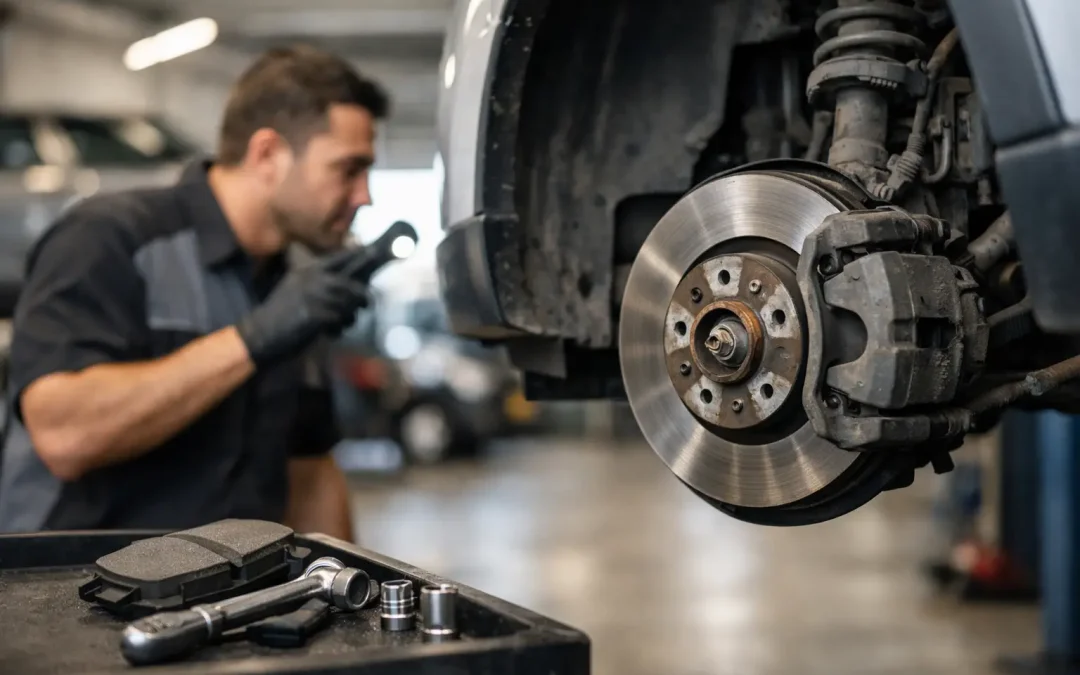
A proper brake service is not just about replacing whatever looks worn first. Brakes are a system, and they need to be checked that way. Pads, rotors, calipers, hoses, fluid, master cylinder condition, handbrake operation, wheel bearing play, and overall brake balance can all affect how the vehicle stops.
If a workshop only talks about one part before inspecting the vehicle properly, that is usually a sign they are working to a shortcut. Good brake work starts with identifying the actual cause of the problem. Sometimes that means worn pads and machined or replaced rotors. Other times it points to contaminated fluid, sticking calipers, uneven wear, rear brake issues, or a fault that only shows up under load.
That is why specialist diagnosis matters. The aim is not to sell the biggest job. The aim is to fix the right problem the first time.
Signs you should book a brake inspection sooner rather than later
Some brake issues are obvious, and some creep up slowly enough that drivers get used to them. The trouble is that small changes in braking performance often turn into bigger and more expensive repairs if they are ignored.
A squealing noise is one of the most common warning signs, but it is not the only one. Grinding, shuddering through the pedal, pulling to one side, a soft or spongy pedal, vibration under braking, or a handbrake that no longer holds properly all deserve attention. The same goes for brake warning lights, a burning smell after driving, or the feeling that the vehicle takes longer to pull up than it used to.
Even if the car still stops, that does not mean the system is healthy. In many cases, brakes deteriorate in stages. What starts as minor pad wear can lead to rotor damage. Old brake fluid can reduce braking confidence and affect pedal feel. A seized caliper can wear one side rapidly while the other side looks passable at a glance.
If you tow a trailer, caravan or work load regularly, it pays to be even more cautious. Added weight changes how hard your brakes have to work, especially on hills or during repeated stops.
Why the cheapest quote is not always the cheapest repair
Most drivers want value, and that is fair enough. But with brake repairs, the lowest upfront number does not always mean the lowest overall cost. Cheap components can wear faster, run noisier, create uneven braking, or fail to handle heat properly. That can leave you back in the workshop earlier than expected.
There is also the quality of the diagnosis itself. If the original fault is missed, you can end up paying twice – once for a partial repair and again for the work that should have been done from the start. That is where specialist workshops tend to stand apart from general mechanical repairers. When a business works on braking and driveline systems every day, unusual wear patterns and hidden faults are easier to spot.
Good workshops also explain what is necessary now, what can wait, and why. That kind of honesty matters. Nobody wants to be pressured into extra work they don’t need. At the same time, nobody wants a safety-critical issue brushed aside just to keep the quote low.
Brake service near me for everyday cars and heavier 4x4s
Not every vehicle needs the same solution. A small commuter car used mainly around town has different braking demands from a dual-cab 4×4 carrying tools, running larger tyres, or towing on weekends. That is where experience counts.
Heavier vehicles and modified setups often push the factory braking system harder than standard. If the vehicle has increased GVM, bigger wheels and tyres, or frequent towing duties, brake performance can suffer under heat and load. In those cases, a standard replacement may not deliver the stopping confidence the driver actually needs.
This is where brake upgrades can make sense, but only when they suit the vehicle and how it is used. There is no benefit in fitting parts for the sake of it. The right approach is to match the braking setup to the real-world job the vehicle does. For some drivers, quality OE-style replacement parts are spot on. For others, especially touring and towing owners, a more heavy-duty option is the smarter long-term repair.
What to expect from a brake specialist
When you book with a proper brake specialist, the process should be clear from the start. You explain what the vehicle is doing – noise, vibration, poor pedal feel, warning light, or a routine service concern. The workshop inspects the system, checks wear and condition, and works out whether the issue is straightforward or part of a bigger problem.
From there, you should get a clear explanation in plain language. Not workshop jargon. Not scare tactics. Just what they found, what needs attention, and what the repair involves. If replacement parts are needed, the quality of those parts matters. Brake components are not an area where cutting corners pays off.
For local drivers who want that kind of straight-up service, Albury Brake and Clutch Centre has built its reputation on specialist brake and clutch work done properly. That means accurate diagnosis, quality parts, and repairs aimed at long-term reliability rather than quick patch-up jobs.
How to choose the right workshop near you
If you are comparing options, look past the headline price and ask a few practical questions. Does the workshop specialise in brake repairs or is it just one of many services they offer? Do they inspect the whole system or only quote on pads and rotors? Can they explain the fault clearly? Do they use quality parts suited to the vehicle?
Turnaround matters too, especially if the car is your daily transport or work vehicle. But speed should not come at the expense of doing the job properly. The right workshop balances efficiency with care. You want a team that respects your time without rushing safety-critical work.
It also helps to choose a business that understands the way regional drivers use their vehicles. Highway kilometres, towing, farm use, tradie loads, and family travel all place different demands on braking systems. Local knowledge is not just a nice extra. It affects the advice you get.
When to stop driving and get it checked immediately
Some brake problems can wait a day or two for a booking. Others should not. If the pedal goes soft suddenly, the car pulls sharply under braking, you hear grinding metal, the brake warning light comes on with a noticeable change in performance, or braking feels unpredictable, it is time to stop taking chances.
The same applies if brake fluid is leaking or the vehicle struggles to stop in normal traffic. A brake issue rarely improves by itself. Usually it gets worse, and often faster than people expect.
Getting it checked early can save money, but more importantly, it reduces the risk to you, your passengers, and everyone else on the road.
Searching for brake service near me is really about finding a workshop you can trust when the stakes are high. Look for a team that diagnoses properly, explains clearly, uses quality parts, and treats your safety like it matters – because it does.