


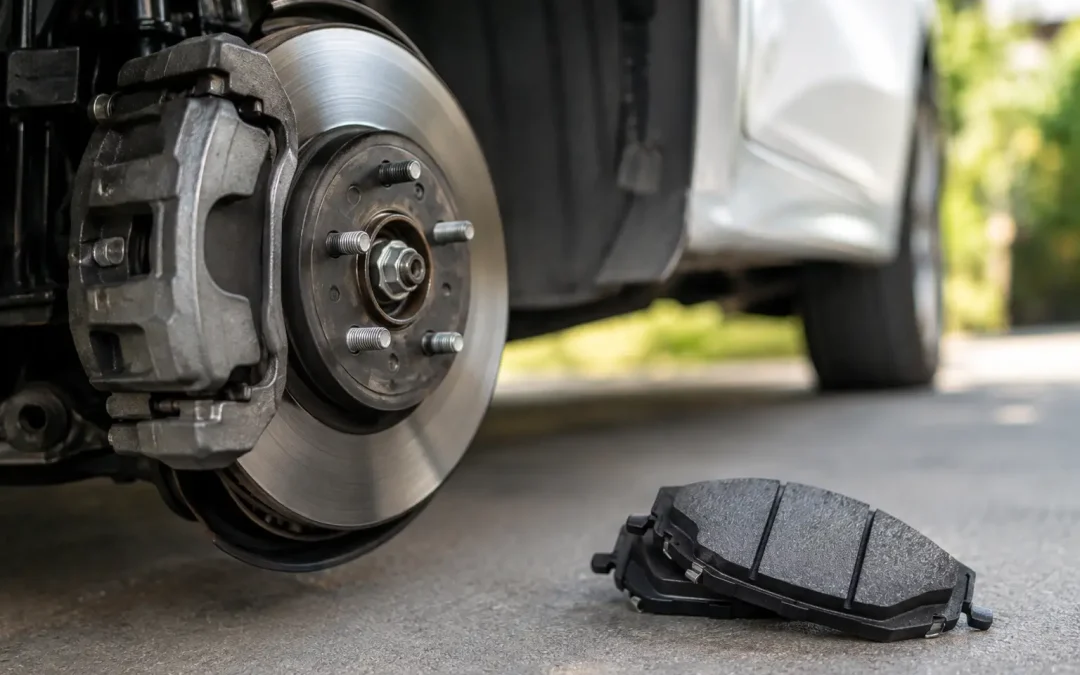
A new set of pads can feel disappointing if they are not run in correctly. To bed in brake pads means gradually matching the new pad material to the brake rotor surface using controlled heat and pressure. Done properly, it helps your brakes deliver consistent stopping power, reduces the chance of noise and vibration, and gives the components the best start to a long service life.
It is not a substitute for fitting the right parts or diagnosing an underlying fault. If the pedal is soft, the vehicle pulls under braking, a warning light is on, or the brakes make severe grinding noises, bedding in will not fix it. Those symptoms need proper inspection.
Why bedding in new brake pads matters
Brake pads do not work at their best straight out of the box. Their friction material needs to transfer a very thin, even layer onto the rotor face. This is often called a transfer layer. Once established, the pad is effectively braking against that matched layer rather than an untreated rotor surface.
Without a controlled bedding-in process, the pad can contact the rotor unevenly. That may lead to glazed pads, inconsistent pedal feel, squeal, shudder or reduced braking performance when the brakes get hot. It can also create hot spots on the rotors, especially when a vehicle is worked hard too soon.
For everyday cars, the difference may show up as annoying noise or a brake pedal that does not feel as sharp as expected. For a loaded ute, 4×4, towing vehicle or touring rig, it matters even more. Extra weight, larger tyres and long descents put more heat into the braking system. New components need time to settle in before being asked to handle their hardest work.
Bed in brake pads after the right repair
Bedding in is most effective when the rest of the brake job has been done properly. That means suitable pads for the vehicle and how it is used, rotors that are within specification, clean and lubricated caliper hardware, and brake fluid and hydraulics in good condition.
New pads fitted to badly worn, scored or heat-damaged rotors may not bed in evenly. In some cases, rotors can be machined if they remain above their minimum thickness and are otherwise sound. In other cases, replacement is the safer and more economical option. A specialist should make that call based on measurements, not guesswork.
The pad compound also matters. Standard replacement pads, heavy-duty pads and performance-oriented compounds can each have different bedding requirements. Always follow the instructions supplied with the specific pad set where available. The process below is a sensible general approach, but manufacturer guidance takes priority.
How to bed in brake pads on the road
Choose a safe, quiet stretch of sealed road with enough room to slow down progressively. Avoid busy streets, school zones, wet roads and steep hills. You need to focus on the brakes, road conditions and traffic without pressuring yourself to stop suddenly.
Start with a few gentle stops from normal suburban speeds. Apply steady, moderate pedal pressure and slow the vehicle down without coming to a complete stop where possible. Accelerate gently between each application, giving the brakes a short period to cool.
After that initial stage, complete several firmer stops from a moderate road speed. The aim is to build heat gradually, not to perform emergency stops or activate ABS. Brake firmly enough to work the pads, then release the pedal and continue driving so air can cool the rotors.
When the brakes feel consistent, drive for several minutes using minimal braking. This cooling period is part of the process. If you stop immediately after repeated applications and hold the brake pedal down, a hot pad can leave an uneven deposit on one part of the rotor. That can later feel like a shudder, even though the rotor itself may not be physically warped.
The exact number of stops, speeds and pedal pressure depends on the vehicle and pad material. As a practical rule, think controlled and progressive. You are warming the brakes through a series of normal-to-firm applications, not trying to get them smoking hot.
What to avoid during bedding in
For the first 200 to 300 kilometres, avoid unnecessary heavy braking where possible. That does not mean driving with unsafe brakes or ignoring traffic conditions. It simply means leaving a little more following distance, anticipating stops and avoiding hard downhill work, heavy towing or spirited driving until the pads have settled.
There are a few habits that can cause trouble during this period:
- Repeated high-speed stops before the brakes have had time to bed in.
- Holding the vehicle on the brake pedal after a hard stop when the brakes are very hot.
- Towing a heavy trailer or loading a ute to maximum capacity immediately after a brake repair.
- Driving through deep water with hot brakes, which can shock-cool components and affect rotor surfaces.
If you smell a light hot-brake odour during the first bedding cycle, that can be normal as coatings and resins settle. Smoke, severe burning smells, a pulling sensation, grinding, or a pedal that changes noticeably are not normal. Pull over safely and have the vehicle checked.
New pads and new rotors need extra care
When both pads and rotors are replaced, bedding in is especially important because both friction surfaces are fresh. Quality replacement rotors may have a protective coating that is designed to wear away during normal use, while others may need cleaning before installation. This is one reason brake repairs should be completed with care from the start.
Do not assume that more expensive parts remove the need for correct installation and bedding. Premium components can improve durability, heat management and braking feel when selected for the application, but they still rely on accurate fitting. A brake system is only as good as its weakest part, whether that is a seized caliper slide, contaminated pad, worn hose or incorrect rotor finish.
For 4x4s, modified vehicles and tow rigs, the brake setup should suit the actual load on the road. Bigger tyres increase the effort required to slow the vehicle. Added GVM, a canopy, tools, recovery gear and a caravan can all change the heat load on the brakes. In these cases, the right pad and rotor combination is just as important as the bedding procedure.
Is brake noise normal after new pads?
A small amount of noise during the first few drives can occur, particularly while pads and rotors establish an even contact pattern. Some pad compounds are also naturally more prone to low-speed squeal than others. It should settle rather than get worse.
Persistent squealing, scraping or clicking should not be brushed off as normal bedding in. Noise can be caused by pad movement, missing or incorrectly fitted shims, glazed surfaces, stones caught near the backing plate, worn hardware or an issue with the caliper. A specialist inspection is the sensible next step, particularly if the noise comes with vibration, pulling or reduced stopping performance.
Likewise, a mild change in pedal feel can occur as parts settle, but a spongy pedal is not a bedding-in symptom. It may point to air in the hydraulic system, a fluid issue or another fault that needs attention straight away.
When to leave it to a brake specialist
Some drivers are comfortable following pad manufacturer instructions after a straightforward brake job. Others would rather have the work checked and the bedding procedure explained by the workshop that fitted the parts. Both approaches are reasonable, provided safety comes first.
If your vehicle has electronic parking brakes, complex driver-assist systems, performance brakes, a heavy towing role, or you are unsure whether the rotors are suitable, get advice before heading out to bed in brake pads. The same applies if you have replaced only one component or are trying to solve a shudder or noise. Bedding in cannot compensate for parts that are worn beyond limits or fitted incorrectly.
At Albury Brake and Clutch Centre, the focus is on identifying what the brake system actually needs, fitting quality components, and explaining the next steps in plain language. There is no value in rushing a safety-critical repair or selling parts that do not suit the job.
New brakes should give you confidence, not questions. Give them a controlled run-in, pay attention to how the vehicle feels, and act early if anything does not seem right.