


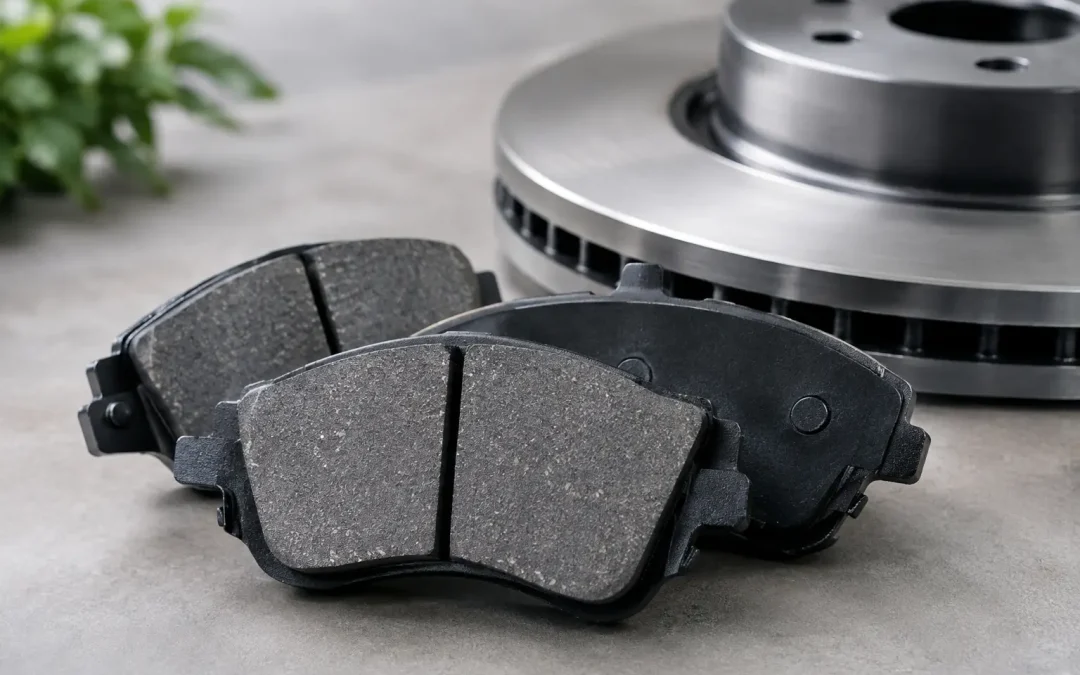
If you have searched for DBA Street Performance brake pads, you are likely looking for a better pedal feel, dependable stopping power and a pad that suits more than the school run. The product range is generally referred to as DBA Street Performance brake pads, and the right set can be a worthwhile upgrade. But pads only perform as well as the rest of the braking system allows.
For drivers around Albury Wodonga, that matters. A daily driver dealing with stop-start traffic has different needs to a 4×4 towing a caravan through the hills, even if both vehicles use similar-looking brake components. Choosing by price alone can leave you with noise, poor feel or a brake setup that is not suited to the work your vehicle does.
What DBA Street Performance brake pads are for
Street performance pads sit between a basic replacement pad and a dedicated track-focused compound. Their job is to give confident, consistent braking during normal road use while handling the extra heat created by spirited driving, heavier loads, larger tyres or regular towing.
That does not mean every vehicle needs them. A quality standard replacement pad may be the sensible option for a lightly used hatchback or a commuter that sees mostly gentle driving. Street performance pads make more sense when the factory brakes feel underdone for the vehicle’s real workload, or when you want a more assured response without sacrificing everyday manners.
The best result comes from matching the pad compound to the vehicle, its brake hardware and the way it is driven. A pad is not a universal performance upgrade. The same compound can feel excellent in one vehicle and disappointing in another if the rotors, calipers or brake fluid are not in good order.
When a performance pad upgrade makes sense
A change of pads is worth considering when braking performance is consistently falling short, rather than after one hard stop on a hot day. For example, a ute or 4×4 with bigger tyres and extra accessories has more rotating mass to control. Add a loaded trailer, passengers, recovery gear and a long downhill section, and the original brake setup can be working much harder than it did when the vehicle left the showroom.
Drivers often describe the issue as a soft pedal, brake fade, vibration or a feeling that the vehicle takes too long to pull up. Those symptoms do not automatically mean the pads are at fault. A soft pedal may point to old fluid, air in the hydraulic system or a caliper issue. Vibration can come from rotor run-out, uneven pad deposits or worn suspension components. Accurate diagnosis comes first.
DBA Street Performance brake pads can be a sensible part of a broader repair or upgrade when the system itself is healthy and the pad choice is appropriate. They are particularly relevant for:
- vehicles that tow regularly or carry consistent loads
- touring 4x4s with larger tyres or increased GVM
- drivers who regularly travel hilly country roads
- cars where the owner wants firmer, more predictable braking for normal road use
The aim is not to make a road vehicle feel like a race car. It is to build a brake package that works reliably when the vehicle is loaded, hot or used harder than average.
Pads are only one part of the brake system
A new set of pads fitted to worn, glazed or unsuitable rotors is rarely a lasting fix. Rotors need to be measured for thickness, checked for heat damage and inspected for an even braking surface. If replacement is required, the new rotors should suit the pad compound and vehicle application.
Calipers also deserve attention. Sticky slide pins, seized pistons or damaged boots can cause uneven pad wear and pulling under brakes. In that situation, fitting premium pads without repairing the fault simply wastes good parts. The same applies to brake fluid. Fluid absorbs moisture over time, lowering its boiling point and affecting pedal consistency under heat.
At Albury Brake and Clutch Centre, the focus is on finding the reason for the problem before recommending parts. That means checking pad wear patterns, rotor condition, caliper movement, fluid condition and the vehicle’s intended use. It avoids the common mistake of treating every brake concern with the same off-the-shelf answer.
What to expect from DBA Street Performance pads
A suitable street performance pad should deliver predictable response from cold, remain consistent through normal operating temperatures and provide confidence under heavier use. Depending on the exact application, drivers may also notice a more positive initial bite and less fade when the brakes are working hard.
There are trade-offs. Higher-performance compounds can produce more brake dust than some low-dust comfort pads, and certain combinations may create more noise if they are not installed and bedded correctly. Noise can also be caused by missing shims, worn hardware, rotor condition or contaminated friction surfaces, so it should never be written off as simply “performance pad noise”.
Pedal feel is another area where expectations need to be realistic. Pads affect friction and response, but they do not repair a low pedal caused by hydraulic faults or make an overloaded vehicle stop like an unloaded one. A proper brake upgrade considers the whole package, including rotor size, pad compound, caliper condition, fluid and tyre grip.
Correct fitment matters more than the box
Vehicle make, model and year are only the starting point. Brake specifications can vary across an individual model range due to engine size, trim level, production date, optional brake packages and previous repairs. For 4x4s, modifications such as bigger tyres, suspension changes and increased carrying capacity are also relevant.
Before fitting DBA Street Performance brake pads, a specialist should confirm the correct part number and inspect the parts already on the vehicle. This is especially important where rotors have been changed in the past. The wrong pad shape or an incorrectly matched rotor can cause poor contact, noise, accelerated wear and reduced braking performance.
Quality installation is just as important. The caliper and mounting surfaces need to be cleaned, hardware checked, components lubricated only where specified, and wheel nuts tightened to the correct setting. Brakes are safety-critical work. A quick fit without these steps can turn a quality part into a poor result.
Bedding in the new pads
New pads and rotors need a controlled bedding-in period so the friction material transfers evenly to the rotor surface. The exact process varies by pad manufacturer and vehicle, so the supplied instructions should always take priority.
In practical terms, avoid repeated hard stops and avoid holding the vehicle stationary on hot brakes immediately after fitment where possible. Allowing the brakes to cool between moderate applications helps establish an even contact surface. If you smell strong burning, feel severe vibration or hear persistent grinding after installation, have the vehicle checked rather than hoping it settles down.
Signs your brakes need inspection now
Brake pads should not be selected solely because a warning light has appeared. Many vehicles have wear indicators, but other problems can develop first. A brake inspection is a sensible next step if you notice squealing that continues after light braking, grinding, pulling to one side, a steering wheel shudder, a spongy pedal, reduced stopping confidence or a brake warning light.
For towing and touring vehicles, it is wise to inspect the brakes before a major trip rather than waiting until the vehicle is loaded and far from home. This gives time to address worn components properly and choose parts suited to the actual load.
The right pad is the one that suits your vehicle
DBA Street Performance brake pads can be an excellent choice for the right application, particularly for drivers who ask more of their brakes through towing, touring or heavier everyday use. They are not a substitute for diagnosis, sound rotors, healthy calipers and fresh brake fluid where required.
A good brake repair should leave you with straight answers: what is worn, what needs attention now, what can wait and why the recommended parts suit your vehicle. That is how you get braking confidence that lasts beyond the first few trips around the block.