


A clutch usually doesn’t fail all at once without warning. More often, it wears out early because of small driving habits repeated every day – sitting on the pedal at the lights, slipping it too much on hills, or asking it to handle loads it was never meant to carry. If you want the best ways to extend clutch life, the good news is that most of them come down to how the vehicle is driven and how quickly problems are checked.
For most drivers, the clutch only gets attention when gear changes start feeling rough or the vehicle struggles to move off properly. By then, wear is already well underway. A clutch is a wear item, but it should still last a reasonable time when it’s driven properly, matched to the vehicle’s workload, and repaired with the right parts when needed.
The best ways to extend clutch life start with your left foot
One of the biggest causes of premature clutch wear is resting your foot on the pedal while driving. It might seem harmless, especially in traffic, but even light pressure can keep the clutch partly disengaged. That creates unnecessary friction and heat, and heat is what shortens clutch life fast.
A better habit is simple – once you’ve changed gear, take your foot right off the pedal and use the footrest. The clutch is designed to be fully engaged or properly disengaged, not held somewhere in between for longer than needed. That small change in driving style can make a real difference over time.
The same applies when waiting at traffic lights. Holding the vehicle in gear with the clutch pedal pressed down for long periods puts added strain on the release bearing and related components. It’s better to select neutral and let the pedal up if you’re stopped for more than a brief moment.
Don’t slip the clutch more than necessary
Every manual driver slips the clutch a little when moving off. That’s normal. The problem starts when that slipping becomes excessive or habitual.
Slow take-offs with high revs, creeping along by balancing the clutch instead of using first gear properly, and trying to control speed on an incline by riding the clutch all create heat. That heat wears the friction material and can damage the pressure plate and flywheel surface as well.
This matters even more in stop-start traffic, towing situations, or when driving a vehicle with larger tyres or added weight. In those cases, the clutch is already working harder. The less time it spends half-engaged, the better.
A good rule is to be smooth, but decisive. Use enough revs to move off cleanly, engage the clutch progressively, and then get fully off the pedal. If the vehicle struggles to get going without lots of slip, there may be another issue at play, such as wear, incorrect adjustment, or a clutch that isn’t suited to the load.
Use the handbrake on hills
Hill starts are one of the easiest places to burn through a clutch. Many drivers hold the vehicle on the bite point instead of using the handbrake. It feels convenient, but it means the clutch is slipping while the engine is trying to stop the vehicle rolling backwards.
Over time, that habit adds up. On steeper inclines or with a loaded vehicle, it adds up even faster.
Using the handbrake gives you a cleaner take-off. Apply the handbrake, find the engagement point, then release the brake as the vehicle begins to move. It takes a bit of coordination at first, but it reduces unnecessary clutch slip and gives you better control. For learners and experienced drivers alike, it’s one of the most practical ways to protect the clutch.
Match your driving to the vehicle’s workload
Not all clutch wear comes from bad habits. Sometimes the vehicle is simply being asked to do more than its standard clutch was designed for.
That can happen with towing, heavy loads, regular off-road driving, trade use, or 4x4s running larger tyres and increased GVM. In these situations, even a careful driver can wear out a clutch sooner if the setup isn’t right. More weight and more rolling resistance mean the clutch has to work harder every time the vehicle moves off.
If your vehicle is used for towing a van, carrying tools every day, or touring with added accessories, clutch life depends partly on whether the clutch is up to the job. A standard replacement isn’t always the best option. Sometimes a heavy-duty or upgraded clutch is the more sensible long-term choice, provided it’s matched properly to how the vehicle is actually used.
That’s where proper diagnosis matters. Throwing in a replacement without looking at the workload, driving symptoms, and related components can lead to the same problem returning sooner than it should.
Don’t ignore early warning signs
One of the best ways to extend clutch life is to act early when something feels off. A clutch that starts slipping slightly, engaging too high, shuddering on take-off, or making noise when the pedal is pressed may still be driveable, but continuing to use it can turn a smaller repair into a bigger one.
For example, a worn clutch disc can damage the flywheel if it’s left too long. A noisy release bearing can lead to more extensive wear inside the bellhousing. Hydraulic faults can also mimic clutch wear, and if they’re identified early, the fix may be simpler and less expensive than a full replacement.
Drivers often put these signs down to an older vehicle or assume they can wait until it gets worse. The trouble is, clutch problems rarely improve on their own. The earlier the cause is identified, the better the chance of avoiding added damage and downtime.
Good repairs help the clutch last longer
A clutch job is not just about replacing the friction plate. To get proper life out of the repair, the full system needs attention.
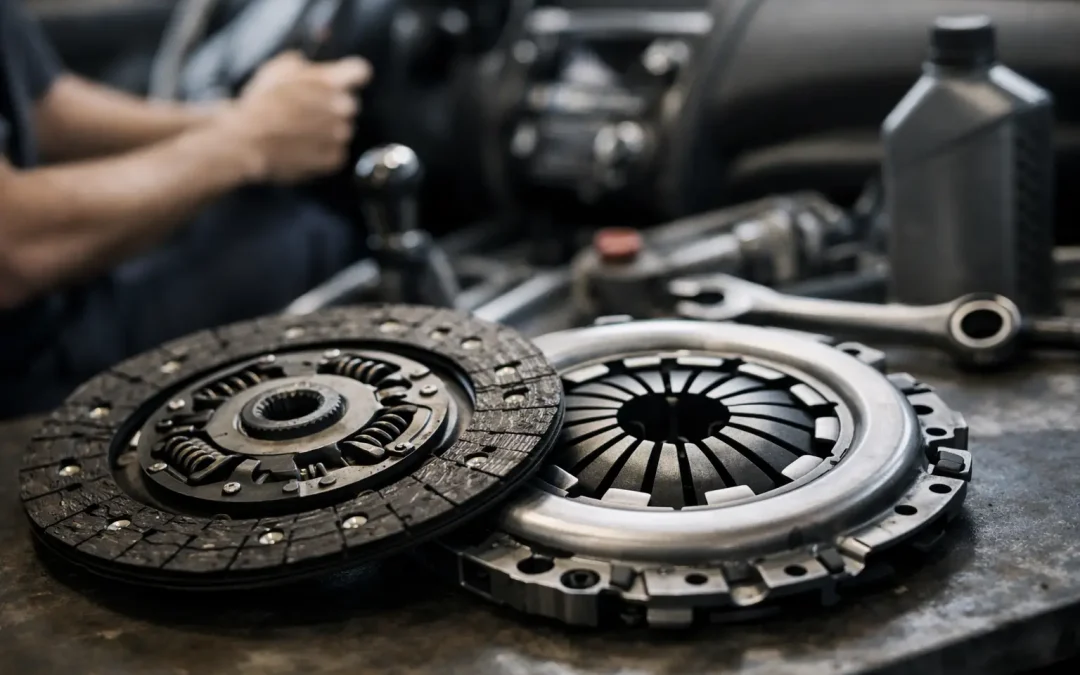
That includes checking the pressure plate, release bearing, spigot bearing where applicable, hydraulics, flywheel condition, and any oil leaks that could contaminate the new clutch. If a rear main seal or gearbox input seal is leaking and it isn’t dealt with, the new clutch can be ruined well before its time.
This is also why part quality matters. Cheap components can look like a saving upfront, but they often don’t deliver the same consistency, clamping force, or durability. In a system that takes this much labour to access, fitting quality parts from the start usually makes better sense than doing the job twice.
At a specialist workshop like Albury Brake and Clutch Centre, that focus on proper diagnosis and quality components is what helps repairs last, rather than just getting the vehicle back on the road for now.
Driving habits that quietly shorten clutch life
Some of the worst clutch habits are the ones drivers don’t realise they have. Using the clutch to hold the vehicle still in traffic is one. Starting in second gear is another, especially in heavier vehicles. So is creeping in car parks or queues by feathering the clutch constantly instead of letting the vehicle roll in first.
None of these will destroy a clutch in a day. The problem is repetition. A little extra heat and wear each trip eventually becomes a shortened service life.
There’s also a trade-off to be aware of. Smooth driving is good, but being overly gentle with a clutch can sometimes mean more slipping, not less. The aim is controlled engagement, not dragging out the process. Most clutches last longer when they’re used cleanly and confidently rather than cautiously for too long.
Best ways to extend clutch life in traffic, towing and 4×4 use
Different driving conditions call for slightly different habits. In daily traffic, the biggest wins come from selecting neutral at longer stops and getting fully off the pedal after each gear change. For towing, smooth take-offs and avoiding unnecessary slipping under load matter most. In 4×4 driving, low-range should be used when appropriate instead of forcing the clutch to do the work of gearing.
That last point is especially important off-road. Trying to crawl over obstacles or move through rough terrain in high range while slipping the clutch builds heat quickly. Low-range exists for a reason – it reduces strain on the clutch and gives the vehicle the control it needs.
If you regularly tow or tour, it’s also worth being realistic about how the vehicle is set up. Added accessories, larger tyres and extra gear all affect driveline load. A clutch that was fine on a stock vehicle used for commuting may not last the same distance once the job changes.
When extending clutch life is no longer the goal
Sometimes the right advice is not to keep stretching out the life of a worn clutch. If it’s already slipping under load, hard to select gears, or showing clear signs of internal wear, continuing to drive it can increase the final repair bill.
That’s where honest advice matters. A proper inspection should tell you whether the clutch needs adjustment, hydraulic repair, or full replacement – not just the most expensive option. For drivers, the value is knowing where you stand and what needs doing now versus what can reasonably wait.
If you want your clutch to last, treat it as a precision wear component, not something to lean on every time traffic gets annoying or the road gets steep. A few better habits and early attention to warning signs usually cost a lot less than replacing a clutch before its time. If something doesn’t feel right, get it checked before a manageable issue turns into a bigger job.