


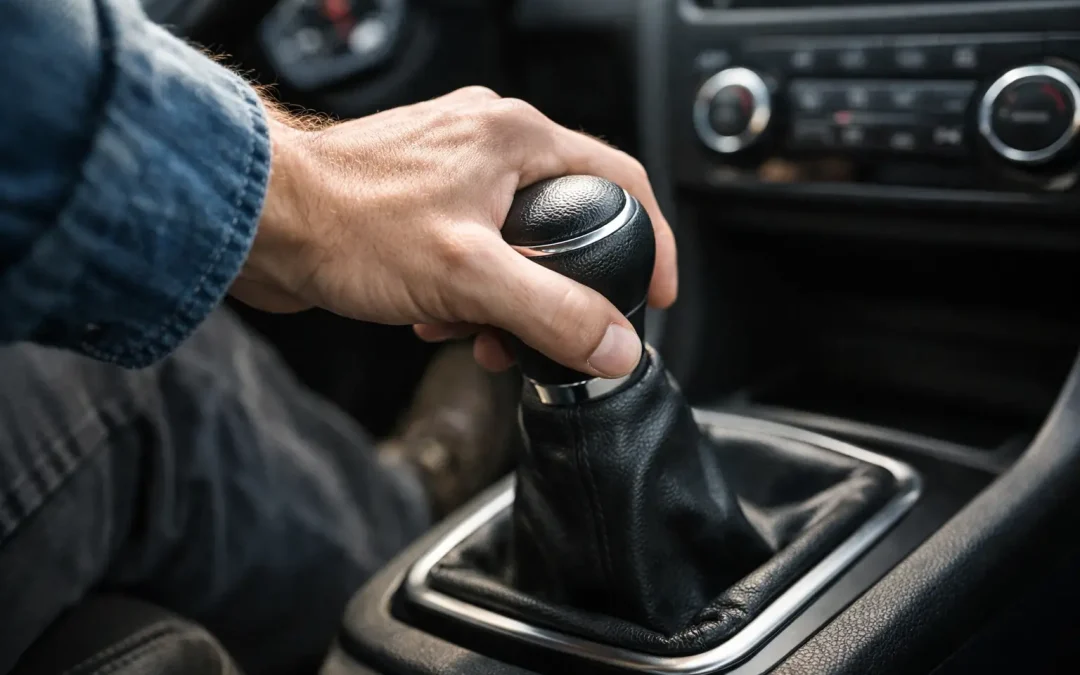
You let the clutch out, start moving, and the whole car shakes through the pedal, floor or seat. Manual transmission shudder on takeoff is one of those faults that drivers notice straight away, but the cause is not always as simple as “it needs a clutch”. Sometimes that is true. Sometimes it is a flywheel problem, a contaminated friction surface, worn mounts, or a driveline issue that only shows up under load.
What matters is getting the fault diagnosed properly before it turns into a bigger repair bill or leaves you with a vehicle that is unpleasant – or unsafe – to drive in traffic, on hills, or while towing.
What manual transmission shudder on takeoff usually feels like
Shudder on takeoff is different from a slipping clutch. A slipping clutch usually feels like the engine revs rising without the vehicle picking up speed properly. Shudder is more of a vibration or grabbing sensation as the clutch starts to engage from a standstill.
Some drivers describe it as a judder through the whole vehicle. Others feel it mostly through the clutch pedal or steering wheel. It may happen every time you move off, only when the vehicle is cold, only after a long drive, or only when carrying a load or towing. Those details matter, because they help narrow down the fault.
The most common causes of manual transmission shudder on takeoff
The clutch assembly is the first place to look. A worn clutch disc can develop uneven contact surfaces over time, which causes the clutch to grab instead of engaging smoothly. Heat damage can make that worse, especially in vehicles that have done a lot of stop-start driving, towing, hill starts or off-road work.
A damaged pressure plate can create the same sort of uneven engagement. If the pressure being applied across the clutch face is inconsistent, the clutch can chatter as it takes up drive. In some cases the fault is inside the clutch even when the pedal still feels fairly normal.
The flywheel is another common cause. If the flywheel surface is heat-spotted, warped, cracked or not machined correctly, the clutch cannot engage smoothly against it. On some vehicles, especially those fitted with dual mass flywheels, internal wear can create vibration that feels very similar to a clutch fault. Replacing only the clutch without addressing a worn flywheel can leave the shudder there or bring it back quickly.
Contamination is also common. If engine oil or gearbox oil gets onto the clutch friction material because of a leaking rear main seal or gearbox input shaft seal, the clutch can grab and shudder on takeoff. That sort of problem will not be fixed by adjustment or driving style. The leak has to be repaired and the contaminated clutch components replaced.
Worn engine or gearbox mounts can add to the problem. If the driveline is moving excessively as drive is taken up, the shake can feel worse than the clutch fault alone. In some vehicles, the mounts are not the main cause, but they are enough to turn a minor vibration into a very noticeable shudder.
Less often, the issue can come from elsewhere in the driveline. Tailshaft wear, universal joints, CV joints or excessive backlash can all contribute, particularly in utes, 4x4s and vehicles that work hard.
Can driving habits cause shudder?
Yes, but only up to a point. Riding the clutch, excessive slipping on hills, repeated heavy takeoffs, and towing beyond what the clutch is coping with can all shorten clutch life and create heat damage. That said, a healthy clutch system should still engage smoothly under normal use.
If the vehicle has suddenly started shuddering and it did not do it before, there is usually a mechanical reason. Blaming the driver without checking the hardware properly is not good diagnosis.
Why it can be worse when cold, hot or under load
A cold shudder can point to surface condition problems on the clutch or flywheel, or to contamination that changes behaviour as temperatures change. Some vehicles are roughest in the first few takeoffs of the day and then improve as heat builds up.
A hot shudder often suggests heat-related clutch or flywheel problems. After crawling in traffic, reversing a trailer, or climbing steep tracks, weakened friction surfaces can show themselves more clearly.
If the shudder gets worse with passengers, in a loaded ute, or while towing, that is another sign the clutch or flywheel may be struggling under higher load. For regional drivers who tow boats, caravans or work trailers, this is worth taking seriously early.
When a manual transmission shudder on takeoff is more than an annoyance
Not every shudder means the vehicle is about to stop moving tomorrow, but it should not be ignored. Clutch faults tend to get worse, not better. What starts as a slight vibration can turn into severe chatter, slipping, difficult gear changes, or a complete loss of drive.
There is also a safety angle. A vehicle that shudders badly on takeoff can be harder to control when pulling into traffic, negotiating roundabouts, reversing on an incline, or towing. If you have to second-guess whether the car will move off smoothly, that is reason enough to have it checked.
How the fault should be diagnosed properly
This is where specialist diagnosis matters. A workshop should not be guessing based on one symptom alone. The road test is important, because the timing, load and temperature conditions often help reveal whether the problem is clutch-related or coming from somewhere else.
After that, the clutch operation itself needs to be assessed. That includes pedal feel, engagement point, signs of slipping, noise, vibration and any hydraulic issues where applicable. Mounts and driveline components should also be inspected, because replacing a clutch while ignoring failed mounts can leave part of the problem behind.
If the gearbox needs to come out, the clutch, pressure plate and flywheel all need close inspection. This is the point where proper repair decisions matter. Reusing a questionable flywheel to save money upfront can be false economy if the shudder returns.
At a specialist workshop such as Albury Brake and Clutch Centre, the value is not just fitting parts. It is identifying why the clutch failed, what else has been affected, and which components need replacing so the repair lasts.
Is it always a full clutch replacement?
Not always, but often. If the clutch disc or pressure plate is worn or heat-damaged, replacement is usually the sensible option because of the labour involved in removing the gearbox. It rarely makes sense to pull it apart and leave tired clutch components in place.
Whether the flywheel also needs machining or replacement depends on its condition and the vehicle design. Some flywheels can be machined if they remain within specification. Some should be replaced. Dual mass flywheels, in particular, need careful assessment because internal wear cannot be fixed with a quick surface tidy-up.
If contamination is present, the leaking seal has to be dealt with at the same time. Otherwise the new clutch will be at risk straight away.
What drivers can do in the meantime
If the vehicle is only showing a light shudder, avoid making it work harder than necessary until it is checked. That means minimising heavy towing, repeated hill starts and excessive clutch slipping. Try not to ride the clutch or hold the vehicle on the clutch instead of using the brake.
What you should not do is keep pushing through a worsening fault for months because the car is still technically driveable. That usually narrows your repair options and can add cost if the flywheel or related components suffer more damage.
Straight answers matter with clutch repairs
Clutch and driveline faults can be frustrating because the symptoms overlap. One vehicle needs a complete clutch kit and flywheel. Another has a mount problem making a minor clutch issue feel worse. Another has oil contamination from a seal leak. That is why proper diagnosis matters more than guesswork or parts swapping.
If your manual starts shaking as you move off, the best next step is simple: get it inspected before the fault gets worse. A clear diagnosis, quality parts and repairs done properly the first time will always cost less than chasing the same shudder twice.