


A clutch can feel fine on a short trip, then start slipping under load when you are towing, climbing a hill or pulling out into traffic. That is why an Aisin clutch kit review needs to look beyond the box and the price tag. The right kit can be a sound choice, but only when it suits the vehicle, the way it is used and the condition of the surrounding components.
Aisin is a well-known Japanese manufacturer with a long history in original-equipment automotive components. For many passenger vehicles and light commercial applications, its clutch kits are a practical option for drivers who want dependable replacement parts without paying for a performance setup they do not need. The important part is confirming the exact fitment and doing the replacement properly from start to finish.
Aisin clutch kit review: what you are actually buying
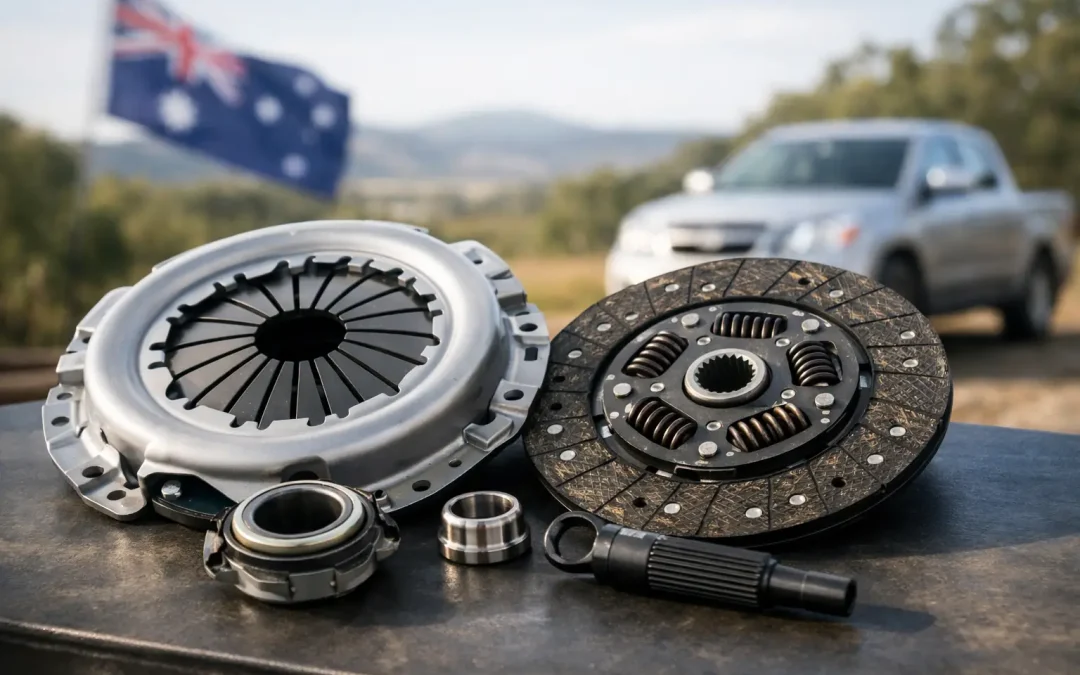
An Aisin clutch kit commonly includes the clutch disc, pressure plate and release bearing. Depending on the application, it may also include an alignment tool or other installation hardware. The exact contents vary, so it pays to check rather than assume every item needed for the job is in the carton.
The clutch disc transfers engine power through to the gearbox, while the pressure plate clamps it against the flywheel. The release bearing operates the pressure plate when you press the clutch pedal. These parts wear together, which is why replacing only one failed component is often false economy. A complete matched kit removes the uncertainty of mixing old and new clutch parts.
For everyday cars, utes and light vans, Aisin kits are generally aimed at standard replacement work. They are not marketed as an aggressive heavy-duty clutch for repeated hard launches, big power upgrades or constant maximum-load towing. That is not a weakness – it is about choosing the part for the job. A standard-spec clutch should provide smooth engagement and civilised pedal effort in normal driving.
How does an Aisin clutch feel on the road?
When correctly fitted to a healthy flywheel and hydraulic system, an Aisin clutch should feel predictable rather than dramatic. Most drivers want a take-up point they can judge easily in traffic, no shudder when moving away and no slipping when the vehicle is under normal load. That is the real test of a replacement clutch.
Pedal weight depends heavily on the vehicle’s clutch design. A new kit can feel firmer than a badly worn clutch, but it should not feel excessively heavy or difficult to operate. If it does, the cause may be outside the kit itself. A binding clutch fork, worn pivot point, damaged cable, tired master cylinder or faulty slave cylinder can all affect pedal feel.
It is also normal for a new clutch to need a short bedding-in period. Avoid repeated hard towing, aggressive starts and unnecessary clutch slipping during the first few hundred kilometres. Gentle use helps the friction surfaces bed in evenly and gives the new parts their best chance of a long service life.
Fitment matters more than the badge on the box
No clutch brand can compensate for an incorrect part number or an incomplete diagnosis. Vehicle catalogues can list several clutch options for what appears to be the same model, particularly where there are different engines, gearbox codes, production dates or factory driveline variations. A kit that physically looks right is not always the right kit.
A proper clutch replacement starts with confirming the vehicle details and identifying why the old clutch failed. A slipping clutch may simply be worn out, but oil contamination from an engine rear main seal or gearbox input shaft seal can quickly ruin a new friction plate. Clutch shudder may be caused by hot spots, cracks or run-out in the flywheel. Difficulty selecting gears may point to a hydraulic problem instead of the clutch itself.
This is where specialist diagnosis saves money. Fitting a new kit without addressing the cause of the old one can leave you paying for gearbox removal twice. The labour involved in reaching a clutch is substantial on many vehicles, so it makes sense to inspect the related parts while access is available.
The flywheel can make or break the result
A clutch kit is only one part of the repair. The flywheel provides the surface the clutch disc grips against, and its condition has a direct effect on engagement quality and clutch life. If it is glazed, scored, heat-affected or out of specification, a new clutch may shudder or wear prematurely.
Some solid flywheels can be machined where suitable, while others need replacement. Dual-mass flywheels require particularly careful inspection. They are designed to reduce vibration and driveline noise, but they have internal wear limits and cannot always be machined like a conventional flywheel. Reusing a worn dual-mass flywheel to save money can be an expensive decision if it damages the new clutch or leaves the vehicle vibrating.
A good workshop will explain what it has found, show you the practical options and recommend only the work needed for a reliable repair. There is no benefit in adding parts without reason, but there is also no value in ignoring a clear problem once the gearbox is already out.
Is an Aisin clutch kit right for towing or 4×4 work?
For a standard vehicle doing occasional towing, school runs, commuting or highway driving, an Aisin kit may be entirely appropriate if it is listed for that application. Many drivers do not need a heavy-duty clutch simply because they own a ute or four-wheel drive.
The decision changes when the vehicle regularly tows a caravan, carries heavy trade equipment, runs larger tyres, has increased GVM, works off-road or has had engine performance upgrades. Those conditions place more heat and load through the clutch. In that situation, a heavy-duty option may offer a greater safety margin and better long-term value, even if the initial cost is higher.
There can be trade-offs. A clutch designed for higher clamping force may have a firmer pedal, and some heavy-duty setups can be less forgiving in slow traffic. The best choice is the one that suits how the vehicle is actually used, not the toughest-sounding option on the shelf.
What to check before approving a clutch replacement
If your vehicle has started slipping, shuddering, making a noise when the pedal is pressed, or becoming difficult to select gears, do not rely on a brand name alone. Ask whether the fault has been diagnosed, whether the flywheel will be inspected and whether the clutch hydraulics or cable have been checked.
It is also worth confirming what the quoted job includes. A clear quote should identify the clutch kit, expected flywheel work where required, replacement fluids or seals, and any additional parts found to be necessary after inspection. This gives you straight answers before the work starts and reduces the chance of surprises later.
At Albury Brake and Clutch Centre, the focus is on matching quality parts to the vehicle and completing the whole repair properly. For drivers across Albury-Wodonga, that means practical advice on whether an Aisin kit is the sensible choice or whether your vehicle needs a different clutch specification.
A clutch replacement should leave you confident at the lights, on the highway and with a load behind you. If something does not feel right, have it checked early – a clear diagnosis now is usually cheaper than waiting for the fault to turn into a roadside problem.