


A steering wheel that shudders under brakes, a pulsing pedal at the lights, or a vibration through the whole vehicle is hard to ignore. If you are asking why brakes judder, the short answer is that something in the braking system is no longer applying force evenly. The right repair depends on the cause, and guessing can turn a manageable brake job into a bigger and more expensive problem.
Brake judder is not a normal feature of an ageing car, ute or 4×4. It may be most obvious on a long downhill run, when towing, or after repeated stop-start driving. Sometimes it is felt only at higher speeds. Either way, it deserves a proper inspection, particularly when your brakes are responsible for safely stopping your family, work vehicle or loaded caravan.
Why brakes judder under braking
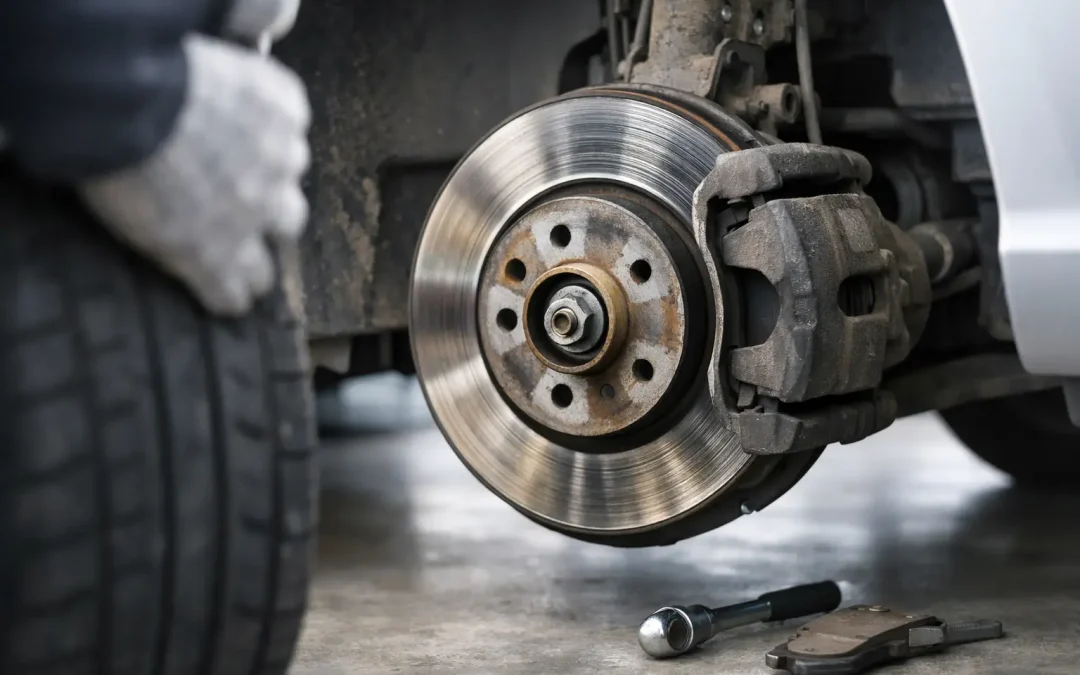
When you press the pedal, hydraulic pressure pushes the brake pads against the rotors. For smooth braking, the rotor surface, pads, calipers and hub mounting faces all need to work together evenly. Judder happens when that consistency is lost.
Many drivers are told their brake rotors are “warped”. Rotors can distort under severe heat, but it is not the only explanation and often not the most accurate one. A specialist inspection looks beyond the obvious, because fitting new pads and rotors without correcting the underlying issue can mean the vibration returns sooner than it should.
Uneven rotor thickness or pad material transfer
One of the most common causes is variation across the rotor surface. This can be actual uneven rotor wear, or an uneven layer of pad material transferred onto the rotor. As the brake pads pass over those high and low spots, braking force changes slightly with every wheel rotation. That is what you feel as a pulse through the pedal or shake through the steering wheel.
Heavy braking can contribute, especially if hot brakes are held firmly on after stopping. Towing, steep descents, larger tyres and extra vehicle weight all put more heat into a brake system. That does not mean every 4×4 needs an upgrade, but it does mean the standard setup has to be in good condition and suitable for the work being asked of it.
Rotor run-out and poor mounting
A rotor must sit perfectly square on the wheel hub. Even a small amount of rust, dirt, scale or damage trapped between the hub and rotor can make it run slightly off-centre. This is called run-out. Over time, that movement can create uneven wear and produce brake judder.
It is why a proper brake repair involves more than replacing parts. The hub face needs to be cleaned, rotor run-out checked where required, and wheel nuts tightened evenly to the manufacturer’s specification. Over-tightening wheel nuts with an impact gun can also place uneven stress on the rotor and hub assembly.
Sticking calipers or seized slide pins
A brake caliper needs to release properly after each application. If a caliper piston sticks, or the slide pins seize, one pad can drag on the rotor. That creates excessive heat and uneven wear. You may notice a burning smell after driving, a wheel that feels unusually hot, the vehicle pulling to one side, or reduced fuel economy.
This fault is more than a comfort issue. A dragging brake can quickly damage pads and rotors, boil brake fluid under hard use, and reduce braking performance. Replacing rotors alone will not fix a caliper that is not moving as it should.
Worn suspension or steering components
Not every vibration felt while braking starts at the brakes. Worn control arm bushes, ball joints, tie-rod ends, wheel bearings or suspension components can allow the wheel to move when braking loads are applied. The result may feel very similar to brake judder, especially through the steering wheel.
This is where diagnosis matters. If the pedal pulses in time with wheel speed, the issue is often at the rotor or hub. If the steering wheel shakes without much pedal feedback, worn front-end components become more likely. There can also be more than one issue at once, particularly on higher-kilometre vehicles.
Wheel and tyre problems
An out-of-balance wheel or damaged tyre usually causes vibration while cruising rather than only under brakes. However, braking can make an existing tyre, wheel or alignment problem more noticeable. A separated tyre belt, badly buckled wheel or loose wheel nuts needs prompt attention, so it should never be ruled out based on feel alone.
What the vibration is telling you
The location and timing of the judder can provide useful clues, although it is not a substitute for inspection. A vibration through the steering wheel often points to the front brakes or front suspension. A pulse through the brake pedal may suggest rotor thickness variation. Judder felt through the seat or body can come from the rear brakes, rear suspension, or driveline-related movement.
Take note of when it happens. Does it occur only after the vehicle has been driven for a while? Only when braking from highway speed? Does the vehicle pull left or right? Are there squeals, grinding noises, warning lights or a soft pedal? These details help a technician narrow the fault down faster.
A brief noise from damp brake discs after rain may clear after a few gentle applications. Ongoing shaking, however, is not something to monitor for months. Brake problems rarely improve through continued driving, and the damaged parts can affect other components as wear progresses.
When brake judder becomes urgent
Book the vehicle in as soon as practical if the braking feels rough or inconsistent. Do not keep driving it if the steering wheel shakes violently, the car pulls sharply under brakes, there is a grinding noise, a burning smell, smoke from a wheel, or the brake warning light is on. If the pedal is soft, travels farther than usual, or braking performance has dropped noticeably, arrange recovery rather than taking chances on the road.
The same applies before towing. A loaded trailer adds substantial stopping demand, so a minor vibration that seems tolerable around town can become a serious concern on a descent or during an emergency stop. For touring vehicles, larger-tyre setups and increased GVM loads, it is worth discussing whether the existing brake package is still fit for purpose.
How a proper brake inspection finds the cause
A reliable diagnosis starts with a road test where safe to do so, followed by a visual and mechanical inspection. The technician checks pad condition, rotor wear, caliper operation, brake hoses, fluid condition and the way the rotors sit on the hubs. Measurements may include rotor thickness, thickness variation and run-out, rather than relying only on what the parts look like.
The suspension and steering should also be checked for play, along with wheel bearings, tyres and wheel fastening. This method takes a little more care than simply fitting new parts, but it avoids replacing components that are not responsible for the fault.
Depending on the findings, the repair may involve quality pads and rotors, caliper servicing or replacement, correcting hub mounting surfaces, renewing worn front-end components, or attending to a wheel and tyre issue. Rotor machining can suit some vehicles where the rotor remains safely above its minimum thickness and the underlying cause has been addressed. In other cases, replacement is the better long-term option. There is no one-size-fits-all answer.
Preventing brake vibration from returning
Good parts matter, but installation and usage matter too. Brake pads and rotors should be matched to the vehicle and how it is used, whether that is school runs, highway commuting, trade work or regular towing. Budget components can be tempting, yet poor fit, inconsistent materials or reduced heat capacity may shorten service life.
After brake work, follow the bedding-in advice supplied for the pads and rotors. Avoid repeated heavy stops before the surfaces have bedded together, unless road conditions require it. If you have been braking hard down a hill or while towing, give the brakes a chance to cool with steady driving rather than stopping and holding firm pressure on very hot brakes.
Regular servicing also catches sticking calipers, worn suspension bushes and leaking fluid before they affect braking feel. For drivers around Albury Wodonga who tow, tour or rely on their vehicle for work, that preventative check is usually cheaper and far less disruptive than waiting for a brake fault to become urgent.
If your vehicle is shuddering when you brake, trust what it is telling you. Have it checked by a brake specialist who will measure, inspect and explain the real cause clearly, then repair only what needs repairing. Smooth, confident braking is not a luxury – it is the standard your vehicle should meet every time you press the pedal.