


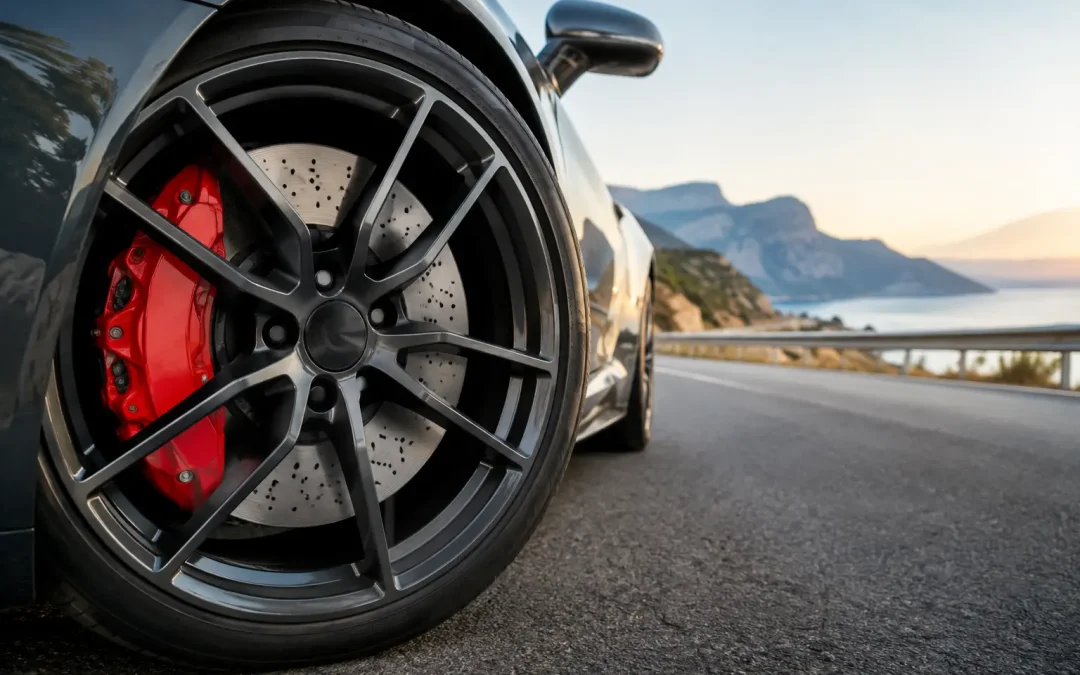
A brake pedal can feel normal right up until the moment the vehicle needs to stop hard. That is why Brembo brake performance is about more than a recognised name on a caliper or rotor. It is about consistent stopping power, predictable pedal feel and components that keep doing their job when the brakes are hot, loaded or working repeatedly.
For everyday drivers, that might mean more confidence in school traffic, wet-weather commuting or a sudden stop on the Hume. For 4×4 owners and tradies, it can mean better control with a loaded ute, caravan or larger tyres. The right brake setup depends on the vehicle and how it is used, but the goal stays the same: reliable braking when it matters.
What Brembo Brake Performance Actually Means
Brembo produces braking components across a broad range, from quality replacement parts for regular passenger vehicles through to high-performance systems used in demanding road and motorsport applications. The useful question is not whether a part carries the Brembo name. It is whether that part is correctly matched to your vehicle, driving conditions and the rest of the braking system.
Good brake performance comes from the complete system working together. Brake pads create friction against the rotors. Rotors manage and shed the heat created during braking. Calipers apply even clamping force, while brake fluid and hoses transfer pedal pressure accurately. A weak or worn component in any of these areas can affect how the vehicle stops.
When the system is in good condition, the pedal should feel firm and predictable, the vehicle should pull up straight, and repeated braking should not quickly produce vibration, fade or a burning smell. No brake component can overcome incorrect fitment, contaminated friction surfaces or a hydraulic fault. Proper diagnosis matters before parts are selected.
Where Better Brakes Make a Real Difference
For many family cars, a quality Brembo replacement rotor and pad combination is not about chasing a race-car feel. It is about restoring braking performance properly after the original parts have worn. Well-matched components can provide smooth, dependable operation and reduce the chances of noise or uneven wear when fitted correctly.
The difference is often more noticeable for vehicles doing harder work. A 4×4 fitted with larger tyres has more rotating mass to slow down. Add a roof load, recovery gear, passengers and towing weight, and the brakes are managing far more heat and momentum than they were in standard trim. On long descents or repeated stops, that heat can build quickly.
Brake fade occurs when high temperatures reduce the effectiveness of the friction material or cause the fluid to boil. The pedal may become long or soft, and the vehicle may require more distance to stop. This is not something to ignore or drive around. It calls for a check of the full system, including pads, rotors, fluid, calipers and the suitability of the setup for the load being carried.
Pedal Feel Is Not the Only Measure
A firmer pedal does not automatically mean stronger braking, and a high-performance pad is not always the right answer. Some aggressive pad compounds work best once they are warm and may create more dust, noise or rotor wear in normal suburban driving. That can be a poor trade-off for a vehicle that mostly runs short trips, school drop-offs and city traffic.
Likewise, drilled or slotted rotors can suit certain applications, but they are not a universal upgrade. Rotor design, metallurgy, thickness, ventilation and the quality of the pad match all play a role. For a work ute or touring 4×4, increased thermal capacity and a proven heavy-duty setup may matter more than appearance.
Choosing the Right Brembo Components
The right parts start with an honest assessment of how the vehicle is used. A commuter travelling between Albury and Wodonga has different needs from a LandCruiser regularly towing a van through the High Country. Both need safe, reliable brakes, but the component choice and service approach may be different.
A specialist should consider the vehicle’s make and model, current brake condition, wheel and tyre size, towing load, GVM changes and driving pattern. They should also inspect for issues that new pads and rotors alone will not fix, such as seized caliper slides, damaged hoses, worn wheel bearings or old brake fluid.
Brembo components can be a strong option when the correct range is chosen for the job. The value is not simply in buying the most expensive part on the shelf. It is in fitting quality components that suit the vehicle, bedding them in correctly and checking that the hydraulic system is working as it should.
Why Installation and Bedding-In Matter
Even excellent brake parts can disappoint if installation is rushed. Rotors need clean, true mounting faces. Hub run-out should be checked where required, because corrosion or debris behind a rotor can cause vibration that feels like warped discs. Calipers need to move freely, and pad hardware must be fitted correctly.
Brake fluid also deserves attention. It absorbs moisture over time, which lowers its boiling point and can contribute to a soft pedal under heavy braking. If the fluid is old or contaminated, replacing pads and rotors without addressing the fluid may leave part of the problem behind.
Once new parts are fitted, bedding-in transfers an even layer of pad material onto the rotor surface. The exact procedure depends on the pad type, but it generally involves a series of controlled stops followed by time for the brakes to cool. Hard emergency-style stops immediately after fitting can overheat fresh components and lead to uneven deposits, noise or shudder.
Warning Signs Worth Checking Early
Do not wait for a complete loss of braking before booking an inspection. Brakes often give clear warning signs first. A squeal, grinding noise, steering-wheel shudder under braking, a vehicle pulling to one side or a pedal that feels soft all need attention.
A burning smell after normal driving, smoke from a wheel, or a brake warning light are more urgent. Safely stop driving if possible and arrange for the vehicle to be assessed. Continuing to drive can damage rotors and calipers, and more importantly, reduce your ability to stop safely.
It is also worth remembering that brake noise is not always caused by cheap parts, and expensive parts do not guarantee silence. Dust, moisture, pad compound, bedding-in and caliper condition can all affect noise. A proper inspection gives straight answers instead of guessing.
Performance Should Still Be Practical
There is a common temptation to upgrade every brake component at once. Sometimes that is justified, especially for a heavily modified or regularly towed 4×4. Other times, a quality standard-specification replacement is the sensible repair. Spending more than necessary does not improve safety if the existing setup already suits the vehicle’s real workload.
The best result is a braking system that feels predictable every day, handles the occasional heavy demand without complaint and remains serviceable over the long term. That means selecting reputable parts, fixing underlying faults and following the manufacturer’s service requirements.
At Albury Brake and Clutch Centre, the focus is on diagnosing the cause before recommending a repair. Whether Brembo parts are the right fit or another quality option better suits the vehicle, the job should be done properly with no pressure and no unnecessary upsell.
If your brakes have changed in feel, sound or stopping distance, trust that signal. A timely inspection can turn an uncertain drive into the quiet confidence that comes from knowing your vehicle will stop when you ask it to.