


A slipping clutch rarely picks a convenient time. It might show up while pulling into traffic, towing a trailer, heading up the hill, or trying to get home after work. If you are researching clutch replacement cost Albury, the straight answer is that the final price depends on the vehicle, the fault and what is found once the gearbox is removed. A proper quote should explain those variables clearly, not leave you guessing.
For most manual vehicles, clutch replacement is a labour-intensive repair. The clutch itself sits between the engine and gearbox, so access often requires removing the gearbox and associated components. That is why two vehicles with similar-looking clutch kits can have very different repair costs.
What affects clutch replacement cost in Albury?
The biggest factor is the vehicle. A straightforward small passenger car is generally quicker to work on than a late-model 4×4, diesel ute, performance vehicle or all-wheel-drive vehicle. Vehicle layout, gearbox size, access around the transmission and the amount of equipment that needs to be removed all affect labour time.
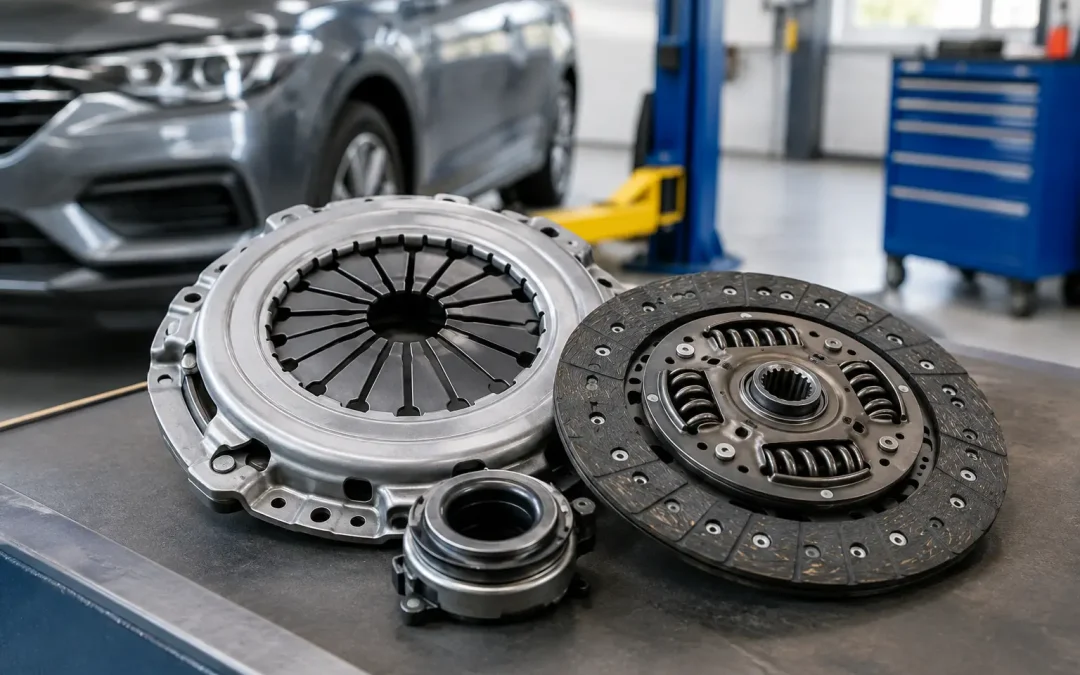
The parts fitted also matter. A quality clutch kit usually includes the clutch plate, pressure plate and release bearing or concentric slave cylinder. Depending on the application, the repair may also require a clutch fork, pivot, spigot bearing, clutch cable or hydraulic components. Choosing a clutch that suits the vehicle and how it is used is more important than chasing the cheapest kit on the shelf.
For a general guide, a clutch replacement on a common manual passenger vehicle may start from around $1,200 to $2,000. Larger utes, 4x4s, diesel vehicles and more complex drivetrains can commonly run from $1,800 to $3,500 or more. These are indicative figures only, not a substitute for inspecting your vehicle. The right quote comes after identifying the exact vehicle, clutch type and condition of related parts.
Flywheel condition can change the job
Once the clutch is out, the flywheel needs to be inspected. On some vehicles, a conventional flywheel can be machined if its surface is worn, heat-marked or uneven and it remains within specification. On others, especially vehicles fitted with a dual-mass flywheel, replacement may be the correct option.
A damaged or worn flywheel can cause shudder, noise and poor clutch operation even with a new clutch installed. Reusing a flywheel that is not fit for service may save money on the day, but it can shorten the life of the new parts and lead to the gearbox coming out again. That is false economy.
The fault may not be the clutch alone
A clutch pedal that stays on the floor, difficulty selecting gears or fluid loss may point to a hydraulic fault rather than a worn clutch plate. In some cases, an external master cylinder can be replaced without removing the gearbox. In others, the slave cylinder is housed inside the bellhousing and should be replaced while the gearbox is already out.
Oil leaks are another issue worth checking. If an engine rear main seal or gearbox input seal is leaking onto the clutch, fitting a new clutch without dealing with the leak can contaminate the new friction material. A specialist diagnosis looks at the full system so the repair is done properly the first time.
Signs you should book a clutch inspection
Clutches usually give some warning before they fail completely. A slipping clutch is one of the clearest signs. Engine revs rise but the vehicle does not accelerate as strongly as it should, often most noticeable under load, on hills or when towing.
Other symptoms include a clutch pedal that feels unusually high, low, soft or heavy; shudder when taking off; trouble selecting gears; a burning smell after hard use; rattling or rumbling noises when the pedal is pressed; and fluid around the clutch master cylinder. Not every symptom means a full clutch replacement is needed, which is exactly why diagnosis comes before parts.
If the clutch is slipping, avoid putting it under extra load. Towing, steep starts and repeated hard acceleration generate heat and can damage the flywheel as well as the clutch. Booking it in early may give you more options and help prevent a roadside breakdown.
Why clutch repairs are not a job to price on parts alone
It is easy to compare clutch-kit prices online, but the kit is only one part of the repair. The real value is in correct diagnosis, access to the right components, careful installation and checking related wear items while the gearbox is removed.
A low quote may not include machining or replacing the flywheel, hydraulic components, fresh gearbox oil, seals, or any issues discovered during removal. That does not always mean the quote is wrong, but it does mean you should ask what is included and what could reasonably add to the cost. Clear communication at this point prevents surprises later.
At Albury Brake and Clutch Centre, the approach is simple: inspect the fault, explain what has failed, recommend parts suited to the vehicle and provide straight answers before work proceeds. Quality brands such as Exedy, Aisin and Powerdrive are available for a range of applications, from everyday commuters through to hard-working utes and 4x4s.
A standard clutch versus a heavy-duty upgrade
A standard replacement clutch is often the right choice for a vehicle used mainly for commuting and normal family driving. It should provide smooth engagement and reliable service when matched correctly to the vehicle.
For a ute or 4×4 that regularly tows, carries tools, runs larger tyres or has engine modifications, a heavy-duty clutch may be worth considering. The trade-off is that some heavy-duty kits can have a firmer pedal or a less forgiving engagement point. More clamping force is not automatically better for every driver. The best choice depends on the vehicle’s actual workload.
This is particularly relevant for drivers around Albury Wodonga who use their vehicles for work, caravan towing, touring or trips into the hills. A clutch should suit how the vehicle is driven, not just what fits the gearbox.
How to get an accurate clutch quote
When booking an inspection, provide the vehicle make, model, year, engine, transmission type and registration if available. Explain when the issue happens: only when cold, under acceleration, while changing gears, when towing, or all the time. Those details help narrow down the likely cause before the vehicle arrives.
A worthwhile quote will distinguish between confirmed work and possible additional items. For example, it may include the clutch kit, labour and release bearing, while noting that flywheel machining, a dual-mass flywheel, seals or hydraulic repairs can only be confirmed once the gearbox is removed. That is not vague pricing. It is an honest reflection of what can and cannot be seen from outside the vehicle.
Ask about the quality of the parts being fitted, whether related hydraulic components have been inspected, and whether the repair includes checking for leaks or gearbox concerns. A good workshop will explain the answers in plain language without pressure.
Do not wait for complete clutch failure
A clutch that has started slipping or selecting gears poorly may still get you around for a short time, but it is not something to ignore. Complete failure can leave the vehicle unable to move, create extra recovery costs and potentially increase the scope of the repair.
If something feels different at the pedal or through the gearstick, arrange an inspection while the vehicle is still driveable. A clear diagnosis and a quote based on the actual condition of your vehicle is the best way to manage clutch replacement cost without cutting corners on a repair that needs to last.