


A soft brake pedal on the school run, a shudder coming down the Hume, or a squeal every time you pull up at the shops is not something to put off until the next service. Brake servicing is about more than replacing worn pads. It is about finding out exactly what is happening in a safety-critical system, then fixing what needs attention with parts and workmanship built to last.
Your brakes work hard every time you drive, but the load they carry is not always the same. A light commuter doing short trips around Albury Wodonga will wear brakes differently from a family SUV towing a caravan, or a 4×4 carrying larger tyres and touring gear. There is no single kilometre figure that suits every vehicle. What matters is regular inspection, honest advice and action before a small issue becomes an unsafe or expensive one.
When brake servicing should not wait
Some brake problems are obvious. Others develop gradually enough that drivers adjust without realising it. If your vehicle pulls to one side under braking, the pedal feels spongy, the steering wheel shakes, or you hear grinding, book it in promptly. These signs can point to worn components, uneven braking force, contaminated parts or a hydraulic fault.
A high-pitched squeal does not always mean immediate danger. Some pads are designed with wear indicators that make noise when replacement is due, while dust or surface moisture can also cause occasional squeaking. Still, persistent noise deserves a proper look. Waiting until a squeal becomes a grinding sound can turn a straightforward pad replacement into a job involving brake discs or calipers as well.
Pay attention to changes in how the vehicle stops. A longer stopping distance, a pedal that sinks further than usual, vibration through the pedal, or a brake warning light are all reasons to have the system checked. If the brake warning light comes on with a low pedal or obvious loss of braking performance, do not keep driving to see if it improves. Arrange for the vehicle to be inspected safely.
What a proper brake service includes
Good brake servicing starts with diagnosis, not assumptions. The same symptom can have different causes, so replacing parts without checking the full system is not a reliable fix.
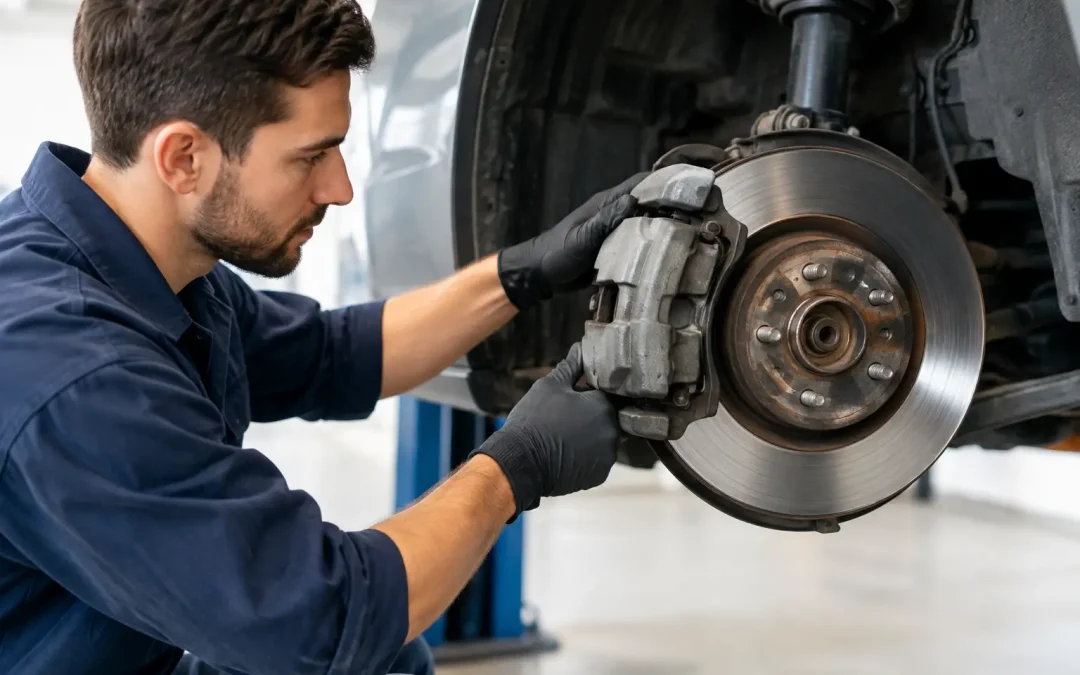
A technician should assess pad and shoe wear, disc or drum condition, caliper operation, brake hoses, fluid level and the general condition of the hydraulic system. They will also look for leaks, uneven wear patterns, seized slide pins, damaged hardware and heat damage. On many modern vehicles, electronic brake systems and parking brakes need the correct procedures and equipment before components can be serviced or replaced.
Brake fluid is part of the picture too. It absorbs moisture over time, which can lower its boiling point and contribute to corrosion inside the hydraulic system. Under hard braking, particularly when towing or travelling in hilly country, old fluid can affect pedal feel and braking performance. The right replacement interval depends on the vehicle manufacturer’s recommendations and how the vehicle is used, but it should not be ignored indefinitely.
When pads or discs need replacement, quality matters. Cheap components can be a false saving if they create excessive noise, poor pedal feel, rapid wear or inconsistent braking. The best choice depends on the vehicle and its job. A daily driver, performance car and loaded touring ute may all need a different pad compound or disc setup. The aim is not to sell the most expensive option. It is to fit parts that suit the vehicle, driving conditions and budget.
Pads, discs and calipers each have a job
Brake pads create friction against the discs to slow the wheels. As they wear, the friction material becomes thinner and eventually needs replacement. Fitting new pads to badly worn, scored or heat-affected discs may compromise the result, which is why both parts need to be assessed together.
Brake discs need a flat, stable surface and enough material remaining to operate safely. A shudder under brakes is often blamed on “warped discs”, but the cause may be disc thickness variation, uneven pad deposits, wheel or suspension issues, or a caliper not releasing correctly. Proper diagnosis saves replacing parts that are not actually at fault.
Calipers apply the pads and then release them after braking. If one sticks, the vehicle may pull to one side, wear one pad much faster than the other, run hot or use more fuel. A caliper problem can also damage a new set of pads and discs quickly if it is missed.
Brake servicing for towing and 4×4 vehicles
Towing changes the demands on your brakes. So do bigger tyres, added vehicle weight, suspension upgrades and long-distance touring. A standard brake setup that feels adequate around town may struggle once the vehicle is loaded, particularly on long descents or in stop-start traffic with a trailer behind it.
That does not automatically mean every 4×4 needs a major upgrade. It depends on the vehicle’s weight, GVM setup, tyre size, towing habits and how it is driven. In some cases, high-quality replacement discs and pads are enough. In others, a purpose-designed heavy-duty brake upgrade may provide better heat control, pedal confidence and durability.
The important part is matching the solution to the actual use of the vehicle. A specialist inspection can identify whether the issue is simply normal wear, inadequate components for the load, or another fault affecting braking performance. For drivers who tow regularly around the region or head away on touring trips, that confidence is worth having before the trailer is hooked up.
How often should you have your brakes checked?
Brakes should be inspected as part of regular vehicle servicing, even if there are no obvious symptoms. The exact timing varies, but an inspection at each scheduled service is a sensible approach. It gives the workshop a chance to measure wear, identify uneven patterns and plan repairs before the vehicle is off the road unexpectedly.
Vehicles used for towing, trade work, frequent short trips or hilly driving may need closer attention. Short trips can encourage corrosion on discs, while heavy loads and repeated hard braking create more heat and wear. Leaving a vehicle parked for long periods can also cause issues, including seized components and surface rust.
You do not need to replace brake parts just because they have been inspected. A good workshop should tell you what is safe now, what is likely to need attention soon, and what can wait. That gives you straight answers and time to plan rather than being pressured into unnecessary work.
Why the cheapest quote can cost more later
Brake work is not the place for shortcuts. A low quote may exclude important parts, use poor-quality components, or address the noise without finding the cause. For example, fitting pads without cleaning and lubricating the relevant hardware, checking caliper movement or assessing the disc condition can lead to noise, uneven wear and another repair sooner than expected.
That does not mean every brake job has to involve replacing everything. If the discs are in good condition, the calipers are working correctly and the measurements are within specification, there is no reason to add unnecessary parts. Honest brake servicing means doing the required work properly, not turning every inspection into the biggest possible invoice.
At Albury Brake and Clutch Centre, the focus is on diagnosing the fault, explaining the options clearly and carrying out repairs that suit how the vehicle is actually used. Whether it is a family car needing routine attention or a hard-working 4×4 that tows, the standard should be the same: safe, reliable work with no guesswork.
Give yourself time before the warning signs get worse
Brakes rarely fail without giving some indication first, but those signs are easy to dismiss when life is busy. A noise that comes and goes, a slight vibration, or a pedal that feels different may be the early chance to avoid more extensive repairs. Getting it checked early can protect your vehicle, your budget and the people travelling with you.
If something about your braking does not feel right, trust that feeling and have it inspected. Clear advice and a proper brake check are far better than hoping the problem will disappear on its own.