


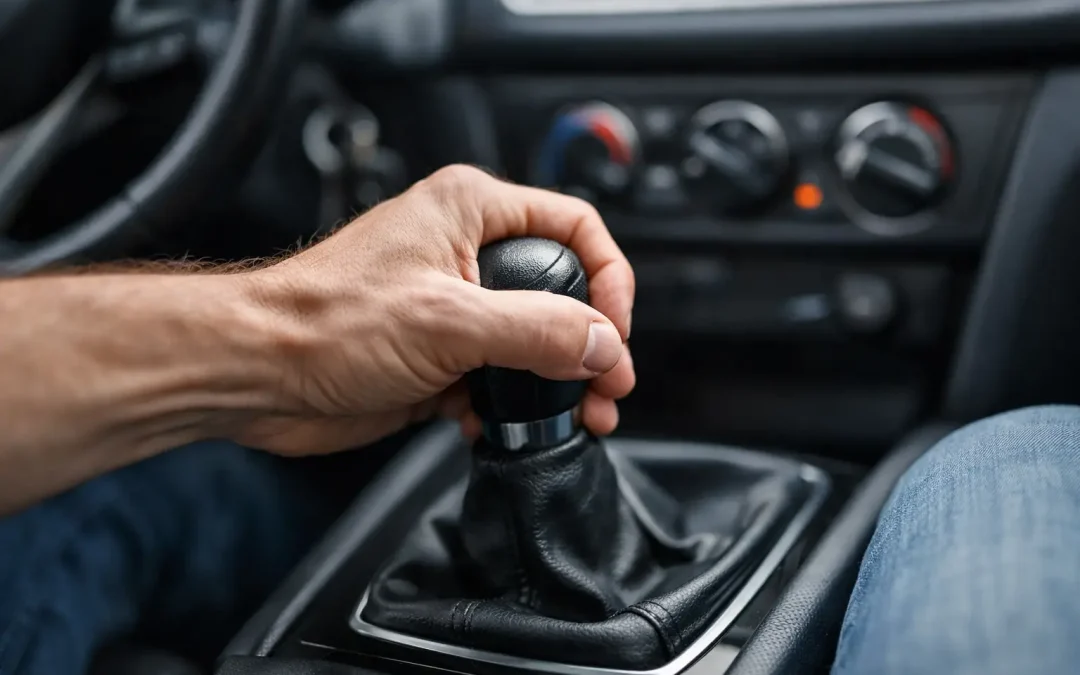
You know the feeling straight away. The shifter that used to move cleanly now feels stubborn, notchy or like it wants a fight every time you select a gear. If you’re dealing with hard gear changes in a manual car, don’t ignore it and hope it settles down. In a lot of cases, that extra resistance is your first warning that something in the clutch or gear selection system is wearing out or falling out of adjustment.
Sometimes the cause is minor. Sometimes it is the early stage of a much bigger repair. The key is getting the fault diagnosed properly before a hard shift turns into a gearbox that will not go into gear at all.
What hard gear changes in a manual car usually feel like
Drivers describe this problem in a few different ways. The gearstick might feel stiff moving into first or reverse. It might baulk when changing up through the gears. You may need more force than normal, or the lever might feel notchy and inconsistent rather than smooth.
In some vehicles, the problem is worst when the car is cold and improves slightly once things warm up. In others, it gets worse in traffic, after a long drive or when trying to select reverse at a standstill. Those details matter because they help narrow down whether the issue is more likely with the clutch, the hydraulic system, the gearbox oil, the linkages or internal gearbox wear.
The most common causes
A clutch that is not fully disengaging
This is one of the biggest causes of hard shifting in a manual. When you press the clutch pedal, the clutch should separate cleanly so the gearbox input shaft can slow down and let you select the next gear. If that separation is incomplete, the gearbox is still being driven slightly and the shift becomes difficult.
A worn clutch, warped clutch components or a problem with the clutch release system can all cause this. Drivers often notice first and reverse are the hardest gears to engage because those gears are less forgiving when the clutch is dragging.
If the pedal engagement point has changed, the pedal feels soft, or the car wants to creep forward with the clutch pedal fully depressed, that is a strong sign the clutch system needs attention.
Low or failing clutch hydraulics
Many manual cars use a hydraulic master cylinder and slave cylinder to operate the clutch. If there is a leak, air in the system or an internal seal failure, the clutch may not release properly even though the pedal still moves.
This can start subtly. You might only notice occasional hard gear changes at first. Then the pedal feel changes, selecting gears becomes harder, and eventually the vehicle may struggle to go into gear altogether. Hydraulic faults are common and often misread as a full gearbox failure when the real issue sits in the clutch actuation system.
Worn or contaminated gearbox oil
Manual gearbox oil does more than lubricate. It also affects how synchros and internal components operate during a shift. If the oil is old, low, contaminated or the wrong specification, shifts can become stiff or graunchy, especially when cold.
This is one of those faults where it depends on the vehicle. Some gearboxes are very sensitive to oil condition, while others can tolerate neglect for longer. Even so, fresh oil will not fix mechanical wear inside the box. It may improve shift feel, but if the underlying parts are worn, the symptom usually comes back.
Worn shifter bushes or linkage problems
Not every hard shift means internal gearbox trouble. In some cars and 4x4s, the issue is in the external linkage, selector cables or worn bushes at the shifter. When those parts loosen up, bind or wear unevenly, gear selection can feel vague, obstructed or heavy.
The upside is that linkage issues are often more straightforward and less expensive to repair than internal gearbox faults. The downside is that they need proper inspection. Guessing and replacing random parts is an easy way to spend money without solving the problem.
Synchro wear inside the gearbox
If the clutch is releasing properly and the linkages are sound, the fault may be inside the gearbox itself. Synchros help match gear speeds during a shift. When they wear, certain gears can become difficult to engage, especially on quick shifts or downshifts.
A worn synchro often affects one gear more than the others. For example, second gear may baulk regularly while the rest feel mostly normal. Left too long, the problem can worsen and lead to more extensive gearbox wear.
Why reverse and first gear often become difficult first
Drivers often ask why reverse is suddenly hard to select when the other gears are only slightly affected. In many cases, it comes back to clutch drag. Reverse typically does not have the same synchronising help as forward gears, so if the gearbox input shaft is still spinning, reverse can be difficult or noisy to engage.
First gear can show the same symptom, particularly when stationary. That is why trouble selecting first and reverse together usually points towards a clutch release issue before it points to a complete gearbox failure.
What you should not ignore
A manual gearbox does not usually go from perfect to failed overnight. Most problems give some warning. If you are noticing hard shifts along with any of the following, it is worth getting checked sooner rather than later.
If the clutch pedal feels different, if the engagement point has moved, if the gearbox crunches into gear, if the vehicle creeps with the clutch pedal down, or if selecting reverse has become a regular struggle, the fault is already affecting how the driveline is operating. Continuing to drive it can increase wear on the clutch, synchros and selectors.
There is also the safety side. A car that becomes difficult to shift in traffic, at roundabouts or when taking off on a hill is not just inconvenient. It can put you in the wrong gear at the wrong moment or leave you unable to select a gear when you need one.
Can you keep driving it?
Sometimes, briefly, yes. But it depends on the cause and how severe the symptoms are.
If the shift is only slightly stiff on cold mornings and improves quickly, the issue may be relatively minor. If the car is fighting you into gear, crunching, refusing reverse or showing signs of hydraulic failure, driving it further is a gamble. A small repair can become a larger one if worn parts are forced to keep working under load.
This is where straight answers matter. There is no benefit in overcalling every hard gear change as a gearbox rebuild, and there is no benefit in downplaying a clutch fault that is close to failure. The right approach is proper diagnosis first, then a repair recommendation based on what the vehicle actually needs.
How a proper diagnosis is done
A good workshop will not jump straight to the most expensive answer. Hard gear changes in a manual car need to be assessed as a system.
That starts with road testing and checking exactly when the problem occurs. From there, the clutch pedal operation, hydraulic system, fluid condition, gearbox oil, external linkages and engine or gearbox mounts may all need inspection. If those areas check out, attention can turn to possible internal gearbox wear.
This matters because the symptom can overlap across multiple faults. A worn clutch can feel like a gearbox issue. Bad linkage bushes can feel like internal selector damage. Old oil can exaggerate normal wear. Without proper diagnosis, it is easy to replace one component and still have the same problem.
Repair options depend on the fault
If the issue is hydraulic, the repair may be as simple as replacing a leaking master or slave cylinder and bleeding the system properly. If the clutch is worn or dragging, a clutch replacement is often the right fix, especially if the gearbox has to come out anyway.
If the trouble is in the linkages or shifter assembly, replacing worn bushes, cables or selector components can restore clean gear engagement. Where the gearbox has internal wear, the decision may come down to repair, rebuild or replacement depending on parts availability, cost and the condition of the rest of the vehicle.
For regional drivers, that decision often comes with practical trade-offs. If the vehicle is a family car, work ute or tow vehicle, reliability matters more than patching it up twice. A proper repair done once usually costs less than repeat visits and ongoing downtime.
When to book it in
If the problem has become noticeable enough that you are changing how you drive around it, it is time. Waiting for a manual to become impossible to shift rarely saves money. It usually just narrows your options.
At Albury Brake and Clutch Centre, this type of fault is treated for what it is – a driveline issue that needs accurate diagnosis, not guesswork. That means checking the clutch operation, the hydraulics and the gear selection system properly, then explaining the repair in plain language.
A manual should go into gear cleanly and predictably. If it suddenly does not, your car is telling you something. Getting it checked early gives you the best chance of a simpler fix, less downtime and a repair that lasts.