


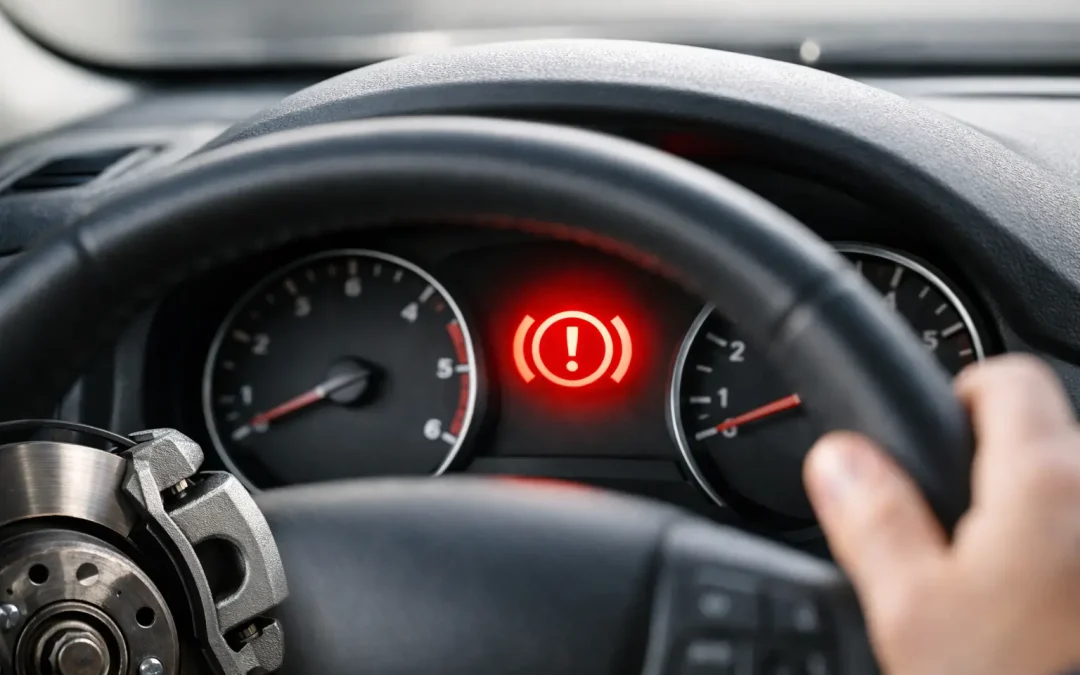
You are halfway to work, the dash lights up, and suddenly you are wondering about the brake warning light meaning instead of the traffic in front of you. That light is not one to ignore or put off until the weekend. Brakes are a safety system, and when a warning appears, the right move is to take it seriously and work out whether the car is still safe to drive.
What the brake warning light meaning usually points to
On most vehicles, the brake warning light is red and appears as an exclamation mark inside a circle, sometimes with the word BRAKE. In plain terms, it is telling you there may be a fault in the braking system, or that something simple but still important needs attention.
The most common cause is the handbrake or park brake being partly on. That is the best-case scenario. If the handbrake is fully released and the light stays on, the issue could be low brake fluid, worn brake components, a hydraulic fault, or in some vehicles an electrical problem in the warning circuit.
That is why the brake warning light meaning can vary slightly from one vehicle to another. The light itself is only the warning. Proper diagnosis is what tells you whether you are dealing with a quick adjustment, a leak, or a brake repair that should not wait.
First checks you can do safely
Before assuming the worst, there are a couple of simple things worth checking. Make sure the handbrake is fully off. Sometimes the lever or pedal has not returned all the way, or a switch is sticking. If the light goes out once the brake is fully released, that may be all it was.
If the light remains on, pay attention to how the brake pedal feels. If the pedal is soft, sinks lower than normal, or feels spongy, do not keep driving unless it is absolutely necessary to get to a safe place. Those signs can point to low fluid, air in the system, or a hydraulic leak.
If you can check the brake fluid reservoir safely with the engine off and the vehicle parked on level ground, do so. Low fluid may trigger the warning light. But there is an important catch here – brake fluid does not usually disappear on its own. If it is low, there is often a reason, such as worn brake pads or a leak somewhere in the system. Topping it up without finding the cause is not a proper fix.
When the warning light means stop driving
Some brake issues give you a bit of notice. Others do not. If the warning light comes on together with any change in braking performance, pulling to one side, grinding noises, or a pedal that feels wrong, treat it as urgent.
You should stop driving and arrange inspection if the car takes longer to stop, the pedal goes close to the floor, the light comes on with another system warning, or you can smell something hot around the wheels. The same applies if the light appears after a recent brake repair and the vehicle does not feel right.
There is always a judgement call. If the brakes feel completely normal and you have just realised the handbrake is not fully down, you may be fine. But if there is any doubt about braking performance, caution wins every time.
Brake warning light vs ABS light
Drivers often mix these up, and it matters. The standard brake warning light usually relates to the core hydraulic braking system or park brake. The ABS light points to the anti-lock braking system.
If only the ABS light is on, the vehicle may still have normal braking, but the anti-lock feature may not work properly in an emergency stop or on slippery roads. If the red brake warning light is on, that is generally more serious because it can point to a problem with the main braking system itself.
If both lights are on together, the car needs prompt attention. That combination can mean a bigger fault affecting braking control, and it is not something to guess your way through.
Common causes behind the warning
Low brake fluid is one of the most frequent triggers. Sometimes that comes back to worn pads, because as pads wear down, the fluid level in the reservoir can drop. Other times it is caused by a leak in a brake hose, calliper, wheel cylinder, or master cylinder. A leak is a genuine safety issue and needs proper repair.
Worn brake pads can also be part of the story. On some vehicles, wear gets picked up through a separate warning system. On others, it shows up indirectly through fluid level changes or poor braking feel. If your brakes have been squealing, grinding, or vibrating as well as showing a warning light, wear is high on the list.
A faulty handbrake switch is another possibility. This is less serious than a hydraulic problem, but it still needs checking because you do not want to assume a warning is minor when it is not. The same goes for wiring faults or sensor issues in newer vehicles.
For 4x4s, towing vehicles, and utes carrying extra load, brake problems can show up sooner if the system is already working hard. Bigger tyres, increased GVM, and regular towing all put more demand on the brakes. In those cases, warning lights should never be brushed off as just an electrical gremlin until the system is inspected properly.
Why proper diagnosis matters
A warning light tells you there is a problem to investigate. It does not tell you which part has failed, how severe it is, or whether other components have been affected. That is where a specialist approach matters.
A proper brake inspection should include checking pad and rotor wear, fluid condition and level, leaks, hose condition, calliper operation, and where needed, electronic fault codes. It is also worth road testing the vehicle if it is safe to do so, because brake feel often reveals what a quick visual check cannot.
This is one of those jobs where guessing can cost more. Replacing a single part because it seems likely may not solve the issue if the real cause is elsewhere. Worse still, it can leave the vehicle unsafe. Straight answers come from accurate diagnosis, not parts swapping.
Can you keep driving with the brake warning light on?
Sometimes drivers ask for a simple yes or no, but the honest answer is it depends on why the light is on and how the vehicle feels. If the handbrake is partly engaged, the fix may be immediate. If fluid is low because the pads are worn, you may still have braking for the moment, but the car is telling you service is overdue. If there is a leak or hydraulic fault, continued driving can be dangerous.
That is why the safest approach is straightforward. If the light stays on after releasing the handbrake, and especially if anything feels different, book it in and have the brakes checked properly. In Albury Wodonga, that usually means less time wasted, less risk, and less chance of a small problem turning into a bigger one.
What to expect from a brake inspection
A good workshop should explain what they found in plain language. If the issue is low fluid caused by pad wear, you should be told how much brake material is left and whether rotors also need attention. If there is a leak, you should know where it is, what needs replacing, and whether any contaminated parts need cleaning or renewal.
You should also get clear advice on what is urgent versus what can be planned. Not every warning-light job turns into a major repair, but every one of them deserves a proper look. That balance matters to drivers who want honest advice and no pressure.
At Albury Brake and Clutch Centre, that is exactly how we approach it – diagnose the fault properly, explain it clearly, and repair what is needed so the vehicle is safe and reliable again.
One warning light you should not talk yourself out of
It is easy to hope a dash light is nothing. Plenty of people do. But brakes are not the place for guesswork, and the brake warning light is there for a reason.
If it comes on, listen to what the car is telling you, pay attention to any changes in pedal feel or stopping power, and get it checked before the problem gets a chance to get worse.