


You press the accelerator to merge onto the freeway or pull a loaded trailer up a hill, and the engine revs rise without the vehicle picking up speed as it should. Can a bad clutch affect acceleration? Absolutely. It is one of the clearest signs of clutch slip, and it needs proper diagnosis before a minor drivability issue leaves you stranded or creates a more expensive repair.
A clutch is designed to transfer engine power through the gearbox and on to the wheels. When it is worn, contaminated or damaged, it can no longer hold that power securely. The engine may sound willing, but the vehicle will feel flat, slow to respond or as though it is slipping under load.
How a bad clutch affects acceleration
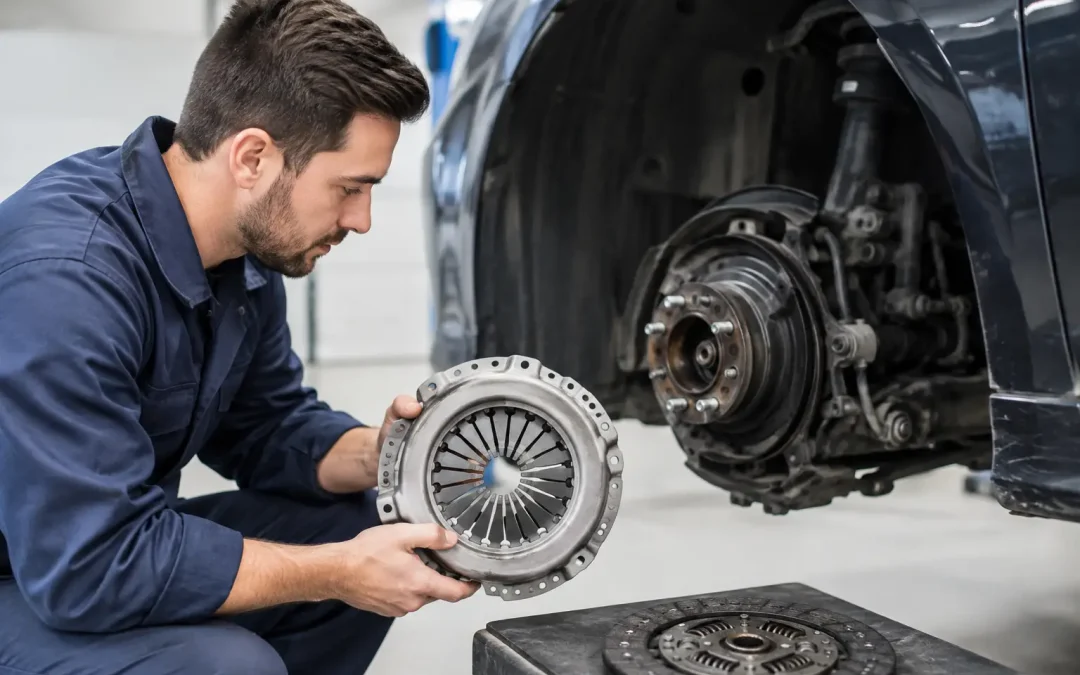
In a manual vehicle, the clutch sits between the engine and gearbox. With your foot off the clutch pedal, the pressure plate clamps the clutch disc against the flywheel. This creates the friction needed to send engine torque to the gearbox.
As the clutch disc wears, its friction material becomes too thin to grip properly. The same thing can happen if the pressure plate has lost tension, the flywheel surface is damaged, or oil has leaked onto the clutch. Instead of delivering all available power to the wheels, the clutch slips. Some of the engine’s power is effectively lost as heat at the clutch.
You will usually notice it most when the engine is working harder. Overtaking, climbing hills, towing, carrying a full load or accelerating in a higher gear all put more demand on the clutch. A light car with a mildly worn clutch may feel mostly normal around town, then slip badly once it is on the highway.
That does not mean every acceleration problem is a clutch problem. Poor engine performance, fuel-system faults, blocked exhaust components, turbo issues and transmission faults can also make a vehicle feel underpowered. The difference is in the symptoms. With clutch slip, engine revs generally climb ahead of road speed. With an engine fault, the revs may struggle to build at all.
Signs your clutch may be slipping
The most common sign is a mismatch between revs and speed. In a manual vehicle, you may select a higher gear and accelerate, only to see the tachometer jump while the vehicle takes its time catching up. It can feel similar to momentarily riding the clutch pedal, even when your foot is nowhere near it.
A slipping clutch may also produce a hot, sharp burning smell after hill starts, heavy traffic or towing. That smell comes from overheated friction material. Once a clutch has been badly overheated, it can deteriorate quickly, so it is not a symptom to ignore.
Other warning signs include a clutch engagement point that has moved very high in the pedal travel, shudder or vibration when taking off, difficulty selecting gears, a spongy or inconsistent pedal, and unusual noises when pressing or releasing the pedal. These symptoms can point to different parts of the clutch system, including the hydraulic components, release bearing, pressure plate or dual-mass flywheel.
No single symptom confirms the fault on its own. For example, hard gear changes can be caused by a clutch that is not releasing fully, but they may also relate to gearbox oil or internal gearbox wear. This is why a proper inspection is worth more than guessing from a symptom.
A simple road test can reveal a lot
Clutch slip is often easiest to reproduce under load. On a safe, clear road, a worn clutch may slip when accelerating firmly in a higher gear at lower engine speed. The rev counter rises, but road speed does not increase in proportion.
Do not repeatedly test a suspected slipping clutch by loading it up. Deliberately making it slip creates more heat and can turn a manageable issue into damage to the flywheel or pressure plate. If you have noticed the symptom once or twice, book an inspection rather than trying to prove it every time you drive.
Why clutches fail before their time
Normal wear is the main reason a clutch eventually needs replacement. How long it lasts depends on the vehicle, the driver and the work the vehicle does. Stop-start commuting, frequent hill starts and city traffic naturally wear a clutch faster than long open-road driving.
Driving habits matter too. Resting a foot on the clutch pedal, holding the vehicle on a hill with the clutch instead of the brake, or slipping it excessively while manoeuvring all generate unnecessary heat. In heavy-duty utes and 4x4s, towing, oversized tyres, added vehicle weight and off-road work can place much greater load on the standard clutch.
Mechanical faults can shorten clutch life as well. An oil leak from an engine rear main seal or gearbox input seal can contaminate the disc. A worn hydraulic master or slave cylinder can affect clutch operation. A damaged dual-mass flywheel may cause vibration and compromise the new clutch if it is not assessed during the repair.
That is why replacing only the clutch disc is rarely the right approach. A lasting repair requires checking the complete system and addressing the underlying cause, not fitting the cheapest part and hoping for the best.
Can you keep driving with a slipping clutch?
You may be able to drive a vehicle with early clutch slip for a short time, but it is a gamble. The fault will not repair itself, and the amount of slip can increase suddenly under load. A vehicle that seems manageable on a short local trip can struggle to accelerate safely onto a highway or fail to climb a hill with a trailer attached.
There is also a cost consideration. Continued slipping produces heat, which can damage the pressure plate and flywheel. In some vehicles, especially those with a dual-mass flywheel, extra damage can add significantly to the repair bill. Leaving it too long may also mean a vehicle becomes undriveable at the least convenient time.
If you are towing, carrying work gear, heading away on a trip or noticing a burning smell, treat the issue as more urgent. Avoid heavy loads and hard acceleration until it has been checked. If gear selection becomes difficult or the clutch pedal feels abnormal, it is sensible to stop driving and arrange advice before further use.
What proper clutch diagnosis looks like
A quality clutch repair starts with confirming the fault. A technician should road test the vehicle where appropriate, check pedal operation and hydraulic components, look for external leaks, and consider whether the problem could be engine or gearbox related.
If removal is required, the clutch assembly, flywheel, release bearing and related components should be inspected as a system. The condition of the old parts often tells the story: a glazed disc can indicate overheating, oily surfaces can point to a leaking seal, and uneven wear may suggest a pressure-plate or flywheel issue.
The repair recommendation should suit the vehicle’s job. A family car that spends most of its time commuting needs a reliable, smooth clutch. A ute used for regular towing or a 4×4 set up for touring may need a clutch package designed to handle higher torque and sustained load. A heavier-duty clutch can offer greater holding capacity, but it may also change pedal feel or low-speed take-off behaviour. The right option is the one matched to how you actually use the vehicle.
At Albury Brake and Clutch Centre, the focus is on finding the real cause, fitting quality components and explaining the repair in plain language. There is no value in replacing a clutch without checking whether an oil leak, worn flywheel or hydraulic fault will shorten the life of the new one.
Questions drivers often ask
Will a bad clutch always make the engine rev higher?
Not always at first. Early clutch wear may show up only under heavy acceleration, when towing or on steep hills. As it worsens, the rev flare becomes more frequent and noticeable. If the engine revs rise but speed does not follow, clutch slip is a strong possibility.
Can an automatic vehicle have a similar acceleration problem?
Yes, although it does not have a conventional manual clutch pedal. Automatic transmissions use internal clutch packs and torque converters that can develop faults affecting acceleration. The diagnosis and repair are different, so do not assume a manual-clutch repair is relevant to an automatic.
Is clutch shudder the same as clutch slip?
No. Shudder is a vibration or judder as the clutch engages, often when taking off. It can occur with a worn clutch, contaminated surfaces, flywheel issues or driveline movement. A vehicle can have shudder without obvious slip, and vice versa, though both deserve attention.
If your vehicle feels slow despite rising revs, trust what it is telling you. Getting a straight answer early can protect your safety, avoid further damage and get you back to reliable driving with a repair done properly.