


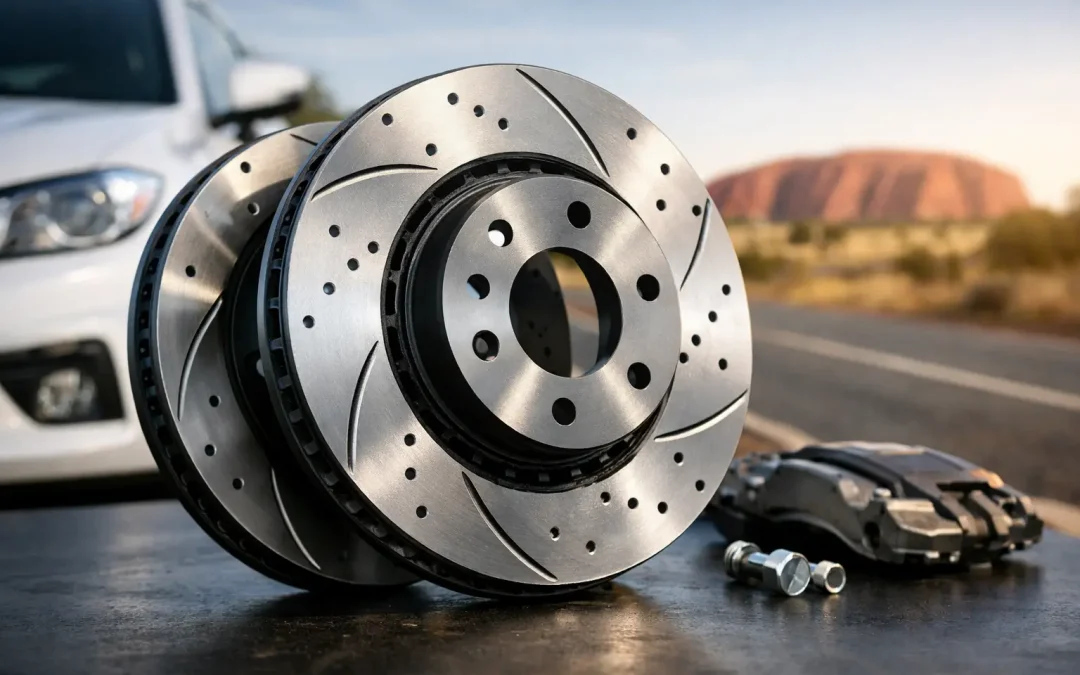
If your brakes are pulsing through the pedal, squealing on the school run, or fading when the ute is loaded up, choosing the right rotor stops being a minor parts decision. A proper dba brake rotor review matters because rotors affect pedal feel, stopping consistency, pad life and how confident the vehicle feels under pressure.
DBA has built a strong reputation in Australia for a reason. They are widely fitted across daily drivers, performance cars and 4x4s that tow, tour or carry extra weight. But reputation on its own is not enough. The real question is whether DBA rotors are the right fit for your vehicle, how you use it, and what problem you are actually trying to fix.
DBA brake rotor review – what stands out
The main strength of DBA rotors is range. They do not try to be one thing for every driver. There are standard replacement rotors for normal commuting, upgraded options for heavier use, and more performance-focused designs for vehicles that get worked harder. That matters because a family SUV used for short urban trips has different brake demands from a dual-cab towing a camper or a hot hatch driven enthusiastically.
In day-to-day workshop terms, DBA rotors generally perform well for machining quality, consistency and availability. Fitment is usually straightforward, and the finish tends to be better than many low-cost alternatives. That does not mean every DBA rotor is automatically an upgrade over everything else on the market, but it does mean you are usually starting from a higher baseline than with bargain parts.
One of the practical advantages is thermal management on the higher-spec ranges. Heat is what causes many braking complaints – fade, vibration, accelerated pad wear and rotor cracking in severe cases. DBA has put real effort into managing heat rather than just making a rotor that looks sporty behind the wheel.
How DBA rotors perform in the real world
For ordinary road use, DBA standard and Street Series rotors usually deliver what most drivers want – stable braking, predictable feel and decent longevity when matched with quality pads. If your current brakes feel rough or noisy because the rotors are worn, glazed or uneven, a fresh set of DBA rotors can make the whole system feel more settled.
The more noticeable difference comes when the vehicle is under load. Towing, larger tyres, stop-start traffic with a full cabin, or long downhill sections all push more heat into the brakes. This is where DBA’s upgraded rotors can earn their keep. Better heat handling often means less fade, less chance of hot spots, and more consistent braking when the vehicle is doing real work.
For 4×4 owners, that can be the difference between brakes that feel fine around town and brakes that still feel controlled after hours on the road with a van on the back. For performance drivers, it is less about one dramatic stop and more about repeatability. A brake system that feels strong once but falls away after a few hard applications is not much use.
The T2 and T3 slot question
A lot of buyers ask about slotted DBA rotors, especially T2 and T3 designs. The short version is that slots can help clear dust, gases and debris from the pad surface, while also improving initial bite in some applications. They can also help maintain a cleaner contact surface during harder use.
The trade-off is simple. Slotted rotors can create a bit more pad wear and sometimes a little more braking noise, depending on the pad compound. For some drivers that is barely noticeable. For others who want the quietest possible suburban braking, a plain rotor may be the better choice. It depends on how the vehicle is used and what matters more to you – absolute quiet or stronger performance under heavier demand.
Heat handling and rotor life
DBA’s better-known upgraded rotors are designed with heat control in mind, and that is not marketing fluff. In braking systems, temperature stability matters. Rotors that manage heat more effectively are less likely to distort under repeated heavy use, though it is worth saying that many so-called warped rotor complaints are actually caused by uneven pad deposits rather than the rotor physically bending.
Even so, a quality rotor with good metallurgy and cooling design gives you a better chance of avoiding those issues. In workshop use, that often translates to more consistent braking over time and less chance of the vehicle coming back with vibration complaints when the rest of the system has been set up properly.
Are DBA rotors worth the money?
Usually, yes – if you buy the right series for the job.
This is where some reviews go off track. A driver buys a premium slotted rotor for a car that only does gentle local trips, pays more than necessary, and then wonders why the result feels only slightly different. Another driver buys an entry-level rotor for a heavy tow vehicle and is disappointed when it struggles under load. Neither result means DBA is overrated. It means the brake package was mismatched to the vehicle’s actual use.
DBA rotors are not the cheapest option, and that is part of their appeal. You are generally paying for better engineering, more consistent manufacturing and a broader product range with specific use cases in mind. If your priority is lowest upfront price only, there are cheaper rotors out there. If your priority is braking that feels right, lasts properly and suits the job, DBA often represents solid value.
What this DBA brake rotor review says about daily drivers
For the average commuter, school-run SUV or family sedan, DBA is a safe choice when the brake system needs to be refreshed properly. The key benefit is not that the car suddenly turns into a performance machine. It is that the brakes feel dependable, the fit and finish are usually good, and the parts are backed by a brand with a long track record in Australian conditions.
That said, rotors alone will not fix every brake complaint. If the calipers are sticking, the pads are poor quality, the fluid is old, or the rear brakes are not doing their share, even an excellent rotor will not deliver the result you expect. Proper diagnosis matters just as much as the brand on the box.
DBA for 4x4s, towing and heavier setups
This is where DBA tends to make the most sense for many regional drivers. A 4×4 with accessories, bigger tyres and extra touring weight asks a lot more from the brakes than the factory setup was originally designed for. Add towing into the mix and rotor quality becomes even more important.
A better rotor will not magically change legal tow limits or replace the need for a full brake upgrade where required, but it can improve heat control and consistency. In practical terms, that can mean less brake smell after a long descent, more stable pedal feel and better confidence when the vehicle is loaded.
For heavily used 4x4s, rotor choice should be made alongside pad selection, brake fluid condition and the overall state of the system. This is one area where specialist advice is worth having, because the wrong combination can leave you with lots of dust, extra noise or braking performance that still falls short.
The downsides to know before buying
No honest review should pretend there are none.
First, DBA rotors cost more than budget alternatives. If you are comparing invoice totals only, they may not look attractive. Second, some slotted options can produce a bit more audible braking noise and may wear certain pads faster. Third, if the rest of the brake system is neglected, you can spend good money on rotors and still end up unhappy.
There is also the issue of expectations. A rotor is one part of a system. It can improve braking quality, consistency and durability, but it does not replace correct installation, proper bedding-in and suitable pads. A bad install can make a good rotor feel ordinary very quickly.
Who should choose DBA rotors?
DBA makes sense for drivers who want a known quality brand, intend to keep the vehicle, or use it in conditions that punish brakes more than normal. That includes towing, hilly driving, larger tyres, trade use and vehicles that regularly carry weight. It also suits owners who are tired of replacing cheap brake parts too often.
If your car is lightly used, you are selling it soon and cost is the only factor, a cheaper rotor might get you by. But if you value braking confidence and want the job done properly the first time, DBA is usually a sensible choice.
At Albury Brake and Clutch Centre, that is generally how we look at it – not as a badge exercise, but as a question of what part suits the vehicle and how it is actually driven.
A good brake rotor should disappear into the background. No drama, no nasty surprises, just clean and consistent stopping when you need it. That is where DBA tends to earn its reputation.