


That grinding noise at the lights usually starts the same way – you wonder whether it is just worn brake pads, or whether the rotors are now part of the problem too. When people ask about brake pads vs rotors, what they really want to know is simple: what needs replacing, what can wait, and what will keep the car safe without paying for work they do not need.
The short answer is that brake pads generally wear out first. They are designed to. Rotors last longer, but they are not a lifetime part. Heat, friction, driving habits, vehicle weight, towing, larger tyres and the quality of previous repairs all affect how long both parts last. That is why a proper inspection matters more than guessing based on kilometres alone.
Brake pads vs rotors: what each part actually does
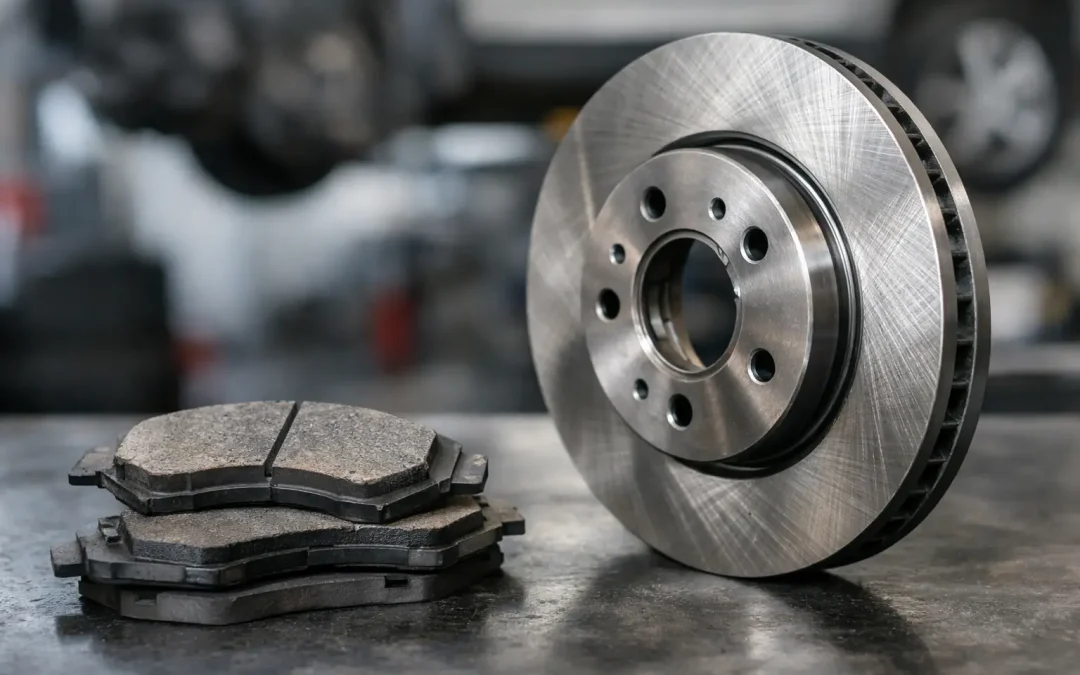
Brake pads are the friction material that clamps onto the rotor when you press the brake pedal. They are sacrificial by design. In other words, they are meant to wear down over time so they can help stop the vehicle.
Rotors are the metal discs that the pads grip. They absorb and shed a huge amount of heat every time you slow down. Because they are heavier and harder than the pads, they usually last longer, but they still wear, score, crack, warp or fall below minimum thickness.
That difference matters. Pads are regular maintenance items. Rotors are longer-term wear items, but they should never be treated as optional if they are damaged or out of spec.
Why brake pads usually wear before rotors
Pads wear faster because the friction compound is softer than the rotor surface. That is intentional. It is far better to replace pads at service intervals than to chew through rotors every time you brake.
Even so, not all pad wear is equal. A school-run SUV in stop-start traffic can wear pads quickly. A 4×4 used for towing a van or hauling gear will often run hotter brakes than a lightly loaded commuter car. If a vehicle has larger tyres or increased GVM, the braking system works harder again.
Driving style also plays a part. Hard late braking, riding the brake pedal downhill and carrying heavy loads will shorten pad life. On the other hand, gentle highway driving can stretch it out. There is no single number that suits every vehicle.
When rotors wear out sooner than expected
Rotors can wear prematurely for a few different reasons. If pads have been left too long, the backing plate can cut into the rotor and cause serious damage. Cheap or poor-quality friction material can also create uneven wear or excess heat. If calipers are sticking, one pad can drag constantly against the rotor and wear both parts faster.
Heat is the big one. Repeated heavy braking, towing, mountain driving or overloaded vehicles can create hot spots in the rotor. Once that starts, you may notice shudder, vibration through the pedal or uneven braking feel. In some cases the rotor can be machined if there is enough thickness left. In others, replacement is the only safe option.
That is why the old habit of simply throwing in a fresh set of pads and sending the car out the door is not always good practice. If the rotors are worn, glazed, badly scored or below spec, new pads will not perform properly on them.
The signs your brake pads need attention
Most drivers notice pad wear before they think about the rotors. Common signs include squealing, reduced braking performance or a brake warning light on some vehicles. You may also hear a harsh grinding noise if the pads are fully worn through.
That grinding sound is the one not to ignore. Once the friction material is gone, metal contacts metal. At that point, what may have been a straightforward pad replacement can turn into pads and rotors, and sometimes caliper repairs as well.
Another clue is how the pedal feels. If the brakes feel less responsive, need more pedal pressure or the car takes longer to pull up, the system needs checking. It does not always mean the pads are low, but it definitely means something is not right.
The signs your rotors may need machining or replacement
Rotor problems often show up as vibration, pulsing or a steering wheel shake when braking. You might also see deep grooves on the disc surface through the wheel, or notice blue heat marks if the brakes have been worked hard.
A rough or uneven rotor surface can shorten the life of new pads and affect braking consistency. Cracks, severe scoring and thickness below manufacturer limits mean the rotor should be replaced, not reused.
This is where proper measurement matters. A rotor can look serviceable from a quick glance and still be too thin to machine safely. The reverse is also true – some rotors that look marked up can still be within usable limits after a proper inspection. Guesswork is how people end up paying twice.
Should you replace pads and rotors together?
Sometimes yes, sometimes no. If the pads are worn but the rotors are still within thickness, not badly scored and the surface condition is acceptable, you may only need pads. If the rotors are damaged, uneven, too thin or causing vibration, then pads and rotors should be done together.
What should not happen is fitting fresh pads onto rotors that are already beyond service limits just to save money today. That usually creates more noise, poorer bedding-in and shorter pad life. It can also leave you back in the workshop sooner than expected.
For many vehicles, replacing pads and rotors together gives the best long-term result because both parts wear in as a matched surface. It is not always essential, but in plenty of cases it is the repair that makes the most sense.
Cost matters, but so does doing the job properly
Most people are not trying to avoid necessary brake work. They just want straight answers. That is fair enough. Brake repairs are safety-critical, but they also need to be justified.
Pads are usually cheaper than rotors, so there is often a temptation to replace the minimum and move on. Sometimes that is completely reasonable. Other times it is false economy. If rotors are near minimum thickness or heavily worn, reusing them may save money this week and cost more next month.
Quality of parts matters too. Good pads and rotors generally give more consistent braking, better heat handling and more predictable wear. That is especially relevant for utes, 4x4s and vehicles used for towing, where the brake system sees more load than average.
Brake pads vs rotors on 4x4s, towing vehicles and heavier setups
This is where the conversation changes. A heavier vehicle with accessories, bigger tyres, towing loads or touring gear asks much more from the brake system than a standard passenger car. The brakes need to control more rotating mass and more overall weight, often in tougher conditions.
In those vehicles, pad life can drop sharply and rotor heat becomes a bigger concern. Not every vehicle needs an upgrade, but some do benefit from better-spec pads and rotors designed for heavier-duty use. The aim is not to oversell parts. It is to match the brake package to how the vehicle is actually used.
For drivers around Albury Wodonga who tow regularly or head off touring, this is one area where specialist advice is worth having. A brake setup that feels acceptable unloaded around town may not be enough once a van, trailer or extra gear is added.
Why diagnosis matters more than assumptions
Brake noise does not always mean pads. Vibration does not always mean rotors. Pulling to one side can involve calipers, hoses, suspension or tyre issues. A warning light can point to wear sensors, fluid level or another fault entirely.
That is why good workshops inspect the whole system rather than replacing parts on a hunch. Pad thickness, rotor thickness, rotor condition, caliper operation, brake fluid condition and overall braking feel all need to be checked together. That approach gives you a repair based on evidence, not upselling.
If there is one thing drivers appreciate, it is being told what needs doing now, what can wait, and why. That is how brake work should be handled.
So what is the real answer?
If you are weighing up brake pads vs rotors, the real answer is that pads are the common wear item, while rotors are the part that must be assessed every time the brakes are serviced. One wears by design. The other wears more slowly, but still has limits.
The best outcome is not replacing the most parts. It is replacing the right parts at the right time, with quality components, after a proper inspection. If your brakes are making noise, vibrating, feeling weak or simply due for a check, getting them looked at early usually gives you more options and a better repair result.
A good brake job should leave you with confidence, not questions every time you come up to the next roundabout.