


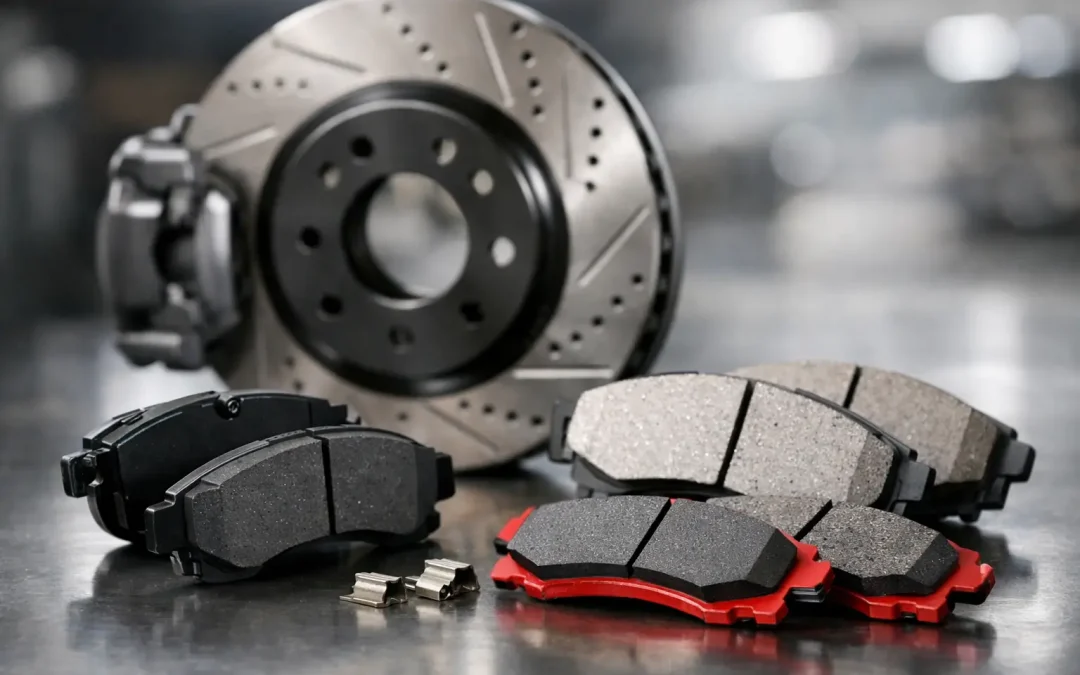
Brake pads are one of those parts most drivers do not think about until the car starts squealing at the lights or takes longer to pull up. If you are wondering how to choose brake pads, the right answer is not just whatever is cheapest or whatever a mate recommends. The best pad depends on how you drive, what you drive, and what you expect from the vehicle day to day.
That matters because brake pads are not just a wear item. They directly affect stopping distance, pedal feel, noise, dust, rotor wear and how the vehicle behaves under load. A city hatchback, a family SUV and a 4×4 set up for towing do not all need the same thing, even if the pads technically fit.
How to choose brake pads for the way you drive
The first thing to look at is vehicle use. Most brake pad problems start when the pad choice does not match the job. A low-cost pad might be fine on a lightly driven runabout, but it can struggle badly on a heavier vehicle, in stop-start traffic or on long downhill runs.
If you mostly do school runs, commuting and general local driving, a quality street pad is usually the right fit. It should offer reliable cold braking, low noise and reasonable dust levels. That is what most everyday drivers want – predictable braking without fuss.
If you tow a caravan, trailer or boat, or you drive a loaded ute or 4×4, you need more than a basic pad. Heavier vehicles build more heat in the braking system, especially when descending hills or pulling up repeatedly with extra weight on board. In that case, a heavy-duty or upgraded pad designed for higher operating temperatures makes more sense.
Performance driving is a different category again. Some pads are built to handle repeated hard braking and higher heat, but there is a trade-off. They can be noisier, dustier and less effective when cold. For a normal road car, that usually means they are the wrong choice, even if the marketing sounds impressive.
Pad material matters, but there is no single best option
When people ask how to choose brake pads, they are often really asking which material is best. The honest answer is that each type has strengths and compromises.
Organic pads are generally quieter and softer on rotors, but they can wear faster and may not cope as well with heat in heavier applications. They are less common now on many modern vehicles, especially where better durability is needed.
Semi-metallic pads are common because they offer strong braking performance and good heat handling. They suit many passenger vehicles and light commercial applications, but they can be noisier and may produce more dust than other options.
Ceramic pads are often chosen for cleaner wheels, quieter operation and consistent everyday performance. They can be a very good option for standard road use, particularly if comfort and low dust matter to you. That said, not every ceramic pad is equal, and not every vehicle responds best to ceramic material. On some heavier vehicles or harder-working applications, another compound may perform better.
This is where brand quality and actual pad design matter more than broad labels. Two pads can both be called ceramic and behave very differently on the road.
Cheap brake pads usually cost more somewhere else
There is always pressure to save money on servicing, especially when several repairs come up at once. But brake pads are not the place to chase the lowest price without asking what you are giving up.
Budget pads can wear quickly, create noise, produce excessive dust or deliver poor pedal feel. In some cases, they can also transfer uneven material onto the rotor, which leads to vibration or reduced braking consistency. Even if they save money at the counter, they may shorten rotor life or need replacing sooner.
A better-quality pad usually gives you more stable braking, better heat control and more predictable wear. That means fewer surprises and, in many cases, better value over the life of the parts.
Do not choose pads in isolation
Brake pads are only one part of the system. Rotors, calipers, brake fluid and the general condition of the vehicle all affect how well the brakes work. Fitting a premium pad to a worn rotor or a sticking caliper will not solve the underlying issue.
That is why proper diagnosis matters. If the vehicle is pulling to one side, shuddering under brakes, squealing constantly or wearing pads unevenly, there may be more going on than simple pad wear. A seized slide, rotor hot spots or poor-quality previous repairs can all change what pad will work best.
Good advice should take the full brake system into account, not just the part number.
Signs your current brake pads are the wrong fit
Sometimes the clue is not that the pads are worn out. It is that they were never right for the vehicle in the first place.
If your brakes fade when towing, if the wheels are constantly black with dust, if the car squeals despite plenty of pad life left, or if the pedal feels inconsistent after repeated braking, the current pad compound may not suit your use. The same goes for vehicles that have been modified with larger tyres or increased load carrying capacity. Once you change how a vehicle works, the original pad setup may no longer be enough.
This is especially common on 4x4s and touring vehicles. Add bar work, cargo, towing gear and bigger tyres, and you ask much more from the brakes than the factory setup was designed to handle.
How to choose brake pads for 4x4s, towing and heavier vehicles
A heavier setup needs a pad that can manage heat and maintain braking performance under load. That usually means moving away from an entry-level street pad and into a more suitable heavy-duty compound.
The goal is not to make the brakes feel aggressive for the sake of it. The goal is control. You want a pad that bites properly from cold, holds up when hot and gives a steady pedal on long trips. You also want it paired with the right rotor and installed correctly, because upgraded pads alone are not always the full answer.
For towing and touring vehicles around Albury Wodonga, that conversation is worth having before a long trip rather than after you notice brake fade halfway down a range road.
Noise, dust and lifespan all involve trade-offs
Many drivers ask for a pad that lasts forever, never squeals, makes no dust and stops perfectly in every condition. In practice, there is always some compromise.
A harder pad may last longer but can be noisier or rougher on rotors. A softer pad may feel great and stay quiet but wear faster. A low-dust pad can be excellent for everyday use, but another compound may offer better bite under heavier loads.
This does not mean choosing brake pads has to be complicated. It just means the best option depends on what matters most to you. If your priorities are quiet operation and clean wheels, say so. If you tow every second weekend, say that instead. Good advice starts with honest use, not guesswork.
Brand matters, but only if the pad suits the vehicle
Well-known names in braking earn their reputation for a reason. Better manufacturers usually invest more in friction materials, testing and consistency. That gives you a better chance of getting a pad that performs as expected and wears properly.
Still, a good brand is not a magic fix. Even quality brands have different ranges for different uses. The right premium street pad will outperform the wrong heavy-duty pad if the vehicle is just doing normal suburban driving. Matching the product to the job is what counts.
That is where a specialist workshop or parts adviser can save you time and money. At Albury Brake and Clutch Centre, that often means steering drivers away from parts they do not need just as much as recommending upgrades where they do.
What to ask before buying brake pads
If you are buying pads yourself or approving a quote, ask a few practical questions. Are these suited to my normal driving? Will they handle towing or extra load? How will they affect dust and noise? Do the rotors need machining or replacing at the same time? And is there any reason the current pads wore unevenly or too quickly?
Those answers tell you far more than a price alone.
The right brake pad should feel like it belongs on the car. It should stop cleanly, behave consistently and suit the way you actually use the vehicle, not the way a catalogue assumes you use it. If you are not sure what that looks like, get it checked properly before the old pads turn into a bigger repair bill. Good brakes are not about guesswork. They are about getting the job done properly the first time.