


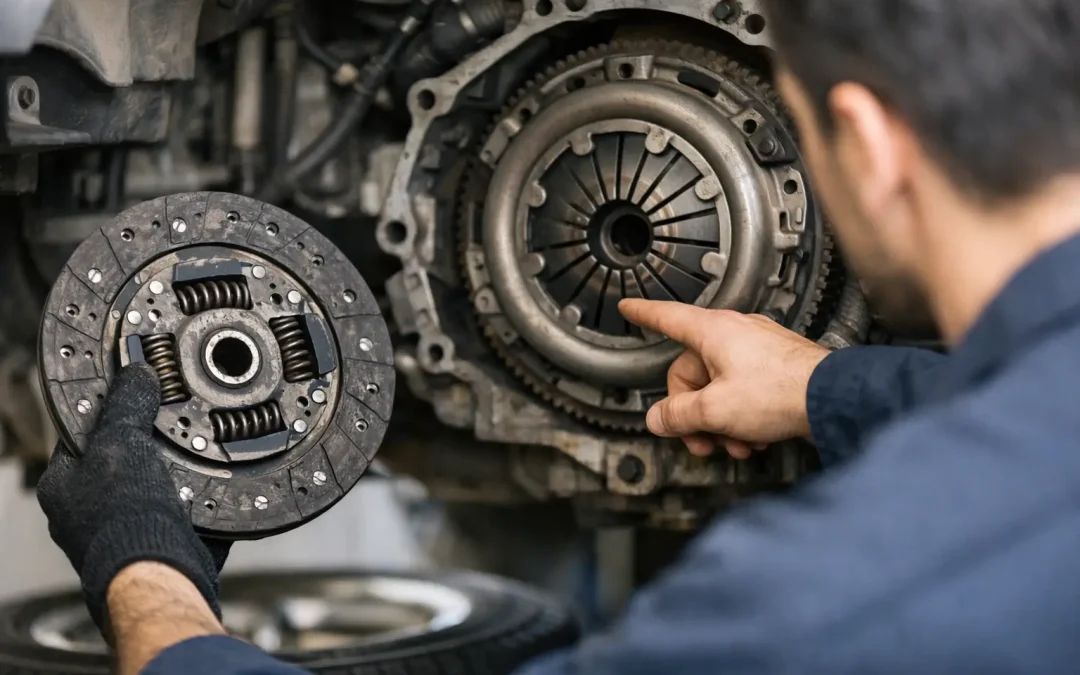
That moment when the engine revs climb but the car does not pull the way it should is usually your first real clue. The best signs your clutch needs attention often show up gradually, and the longer they are ignored, the more likely you are to end up with a vehicle that is harder to drive, less safe in traffic, and more expensive to repair.
A clutch does a simple but critical job. It connects engine power to the gearbox and lets you change gears smoothly. When it starts to wear out, the symptoms can seem minor at first – a bit of shudder, a gear that does not want to go in cleanly, a pedal that feels different under your foot. Small changes like these matter because clutch problems rarely fix themselves.
Why clutch issues should not be left too long
Some drivers put up with a worn clutch for months because the vehicle is still moving and the problem feels manageable. The trouble is that clutch wear can get worse quickly, especially if the vehicle tows, carries loads, spends a lot of time in stop-start traffic, or has larger tyres fitted.
What starts as a worn clutch disc can turn into heat damage, pressure plate problems, flywheel wear, or extra stress on related components. That means the repair can go from straightforward to more involved, and the vehicle can become unpredictable to drive. If you rely on your car or 4×4 every day, that downtime is often the bigger headache.
The best signs your clutch needs attention
1. The clutch is slipping under load
This is one of the clearest warning signs. You put your foot down, the revs rise, but the vehicle does not accelerate as strongly as it should. It may be more noticeable going uphill, overtaking, towing, or pulling away with a load on board.
A slipping clutch usually points to worn friction material, but it can also be linked to contamination or pressure plate issues. Either way, it means the clutch is no longer holding power properly. If left too long, it can burn the clutch out completely.
2. Gear changes feel hard or notchy
If first or reverse starts becoming difficult to select, or the gearbox feels resistant when changing gears, the clutch may not be disengaging fully. Drivers often describe this as the gearstick feeling stubborn, crunchy, or just not right.
That does not always mean the gearbox itself is failing. In many cases, the clutch system is the real cause. It could be a worn clutch, a hydraulic fault, or an issue with release components. Proper diagnosis matters here, because guessing can waste time and money.
3. The vehicle shudders when taking off
A shudder or vibration as you release the clutch pedal is another common sign of trouble. It is often most noticeable when moving off from a standstill, especially in first gear.
Sometimes this comes from clutch wear. Sometimes it points to uneven surfaces, contamination, engine or gearbox mount issues, or flywheel problems. That is why a shudder should not be brushed off as just an old car thing. The cause needs to be identified properly before parts are replaced.
4. The clutch pedal feels different
Drivers usually know when a pedal no longer feels normal. It may suddenly feel heavier, softer, lower to the floor, slow to return, or inconsistent from one drive to the next.
Changes in pedal feel can be linked to hydraulic faults, worn internal clutch components, or problems with the release mechanism. If the pedal starts sticking or the engagement point changes noticeably, it is worth getting checked sooner rather than later. A vehicle that barely disengages can leave you stranded without much warning.
5. You hear unusual noises when pressing the pedal
A clutch should not make much noise in normal operation. If you hear squealing, chirping, rattling, or grinding when pressing or releasing the pedal, there may be wear in the release bearing or other clutch-related components.
Noise alone does not confirm exactly which part has failed, but it is a good reason to stop guessing and have the system inspected. Catching a bearing or release issue early can help prevent extra damage inside the bell housing.
6. There is a burning smell after driving
A hot, sharp burning smell after hill starts, heavy traffic, or towing is often a sign that the clutch has been overheating. In some cases, it happens because the clutch is already worn and slipping. In others, the clutch may be getting overheated by driving habits or a vehicle setup that puts it under more strain.
One-off overheating does not always mean immediate replacement, but repeated burning smells are a warning sign. Heat is hard on clutch materials and related components, so this is not something to keep testing your luck with.
7. The bite point has changed noticeably
If the clutch starts engaging right at the top of the pedal travel, that often suggests wear. A high bite point can mean there is not much friction material left. On the other hand, a very low bite point can sometimes point to hydraulic issues or adjustment-related problems, depending on the vehicle.
Not every change means the clutch is finished, but a noticeable shift in where the clutch takes up is worth attention, especially when paired with slipping, noise, or poor gear engagement.
What these symptoms can mean in real driving conditions
Clutch faults do not always feel the same from one vehicle to the next. A family hatchback used for commuting may show wear as a high bite point and occasional slip in top gear. A ute used for towing may feel fine empty, then slip badly once a trailer is on the back. A 4×4 with bigger tyres and added touring weight may put extra load through the clutch even during everyday driving.
That is why context matters. The same symptom can have a different level of urgency depending on how the vehicle is used. If your vehicle regularly tows, carries tools, travels off-road, or spends its life in traffic, clutch problems tend to show up faster and get worse sooner.
Not every clutch problem means full replacement
This is where honest diagnosis matters. Many drivers assume any clutch symptom means the entire clutch has failed. Sometimes that is true. Sometimes the fault sits elsewhere in the hydraulic system or release mechanism, and the fix is different.
There are also cases where replacing only the obvious failed part is not the best long-term move. If the gearbox is already out and other clutch components are heavily worn, doing the complete repair properly usually makes more sense than patching one item and risking another failure soon after. It can cost more upfront, but often saves money and downtime later.
When to stop driving and get it checked
If the clutch is slipping badly, gears are hard to engage, the pedal is sticking, or the vehicle is shuddering enough to affect control, it is time to book an inspection. The same goes for any burning smell that keeps returning.
You might still be able to drive it for a short time, but that does not mean you should keep putting it off. Clutch faults can go from inconvenient to undriveable very quickly. If you rely on the vehicle for work, school runs, or travel outside town, that risk is usually not worth taking.
What a proper clutch inspection should involve
A good inspection is not just a quick drive around the block and a guess. It should involve listening to your description of the symptoms, checking pedal feel and clutch operation, assessing how the vehicle behaves on the road, and looking for related issues that can mimic clutch failure.
If replacement is needed, quality parts matter. The clutch is one of those jobs where doing it properly the first time counts. Cheap components or rushed fitting can lead to repeat problems, uneven performance, and another repair bill sooner than expected. That is why specialist workshops tend to focus on the full picture – not just swapping parts and hoping for the best.
For drivers in Albury Wodonga, that peace of mind matters. You want straight answers, a clear repair plan, and a job done properly so the vehicle goes back to work without drama.
If your car has started slipping, shuddering, resisting gears, or feeling different at the pedal, trust what it is telling you. Catching a clutch issue early usually gives you more options, less stress, and a better chance of avoiding a much bigger repair.