


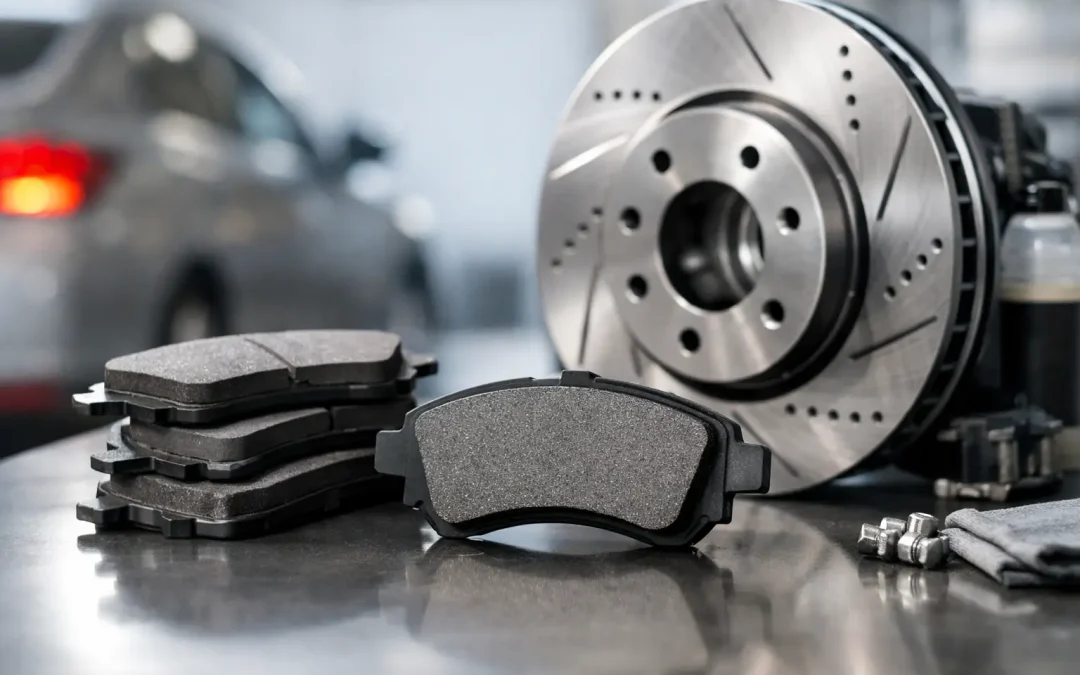
Freshly cleaned alloy wheels can look filthy again after a week of commuting, particularly on vehicles that use traditional brake pad compounds. That frustration is why a low dust brake pads review matters. Cleaner wheels are appealing, but brake pads are a safety item first. The right choice needs to suit your vehicle, how you drive it, the condition of the rotors and whether you carry loads, tow a caravan or spend weekends on dirt roads.
Low-dust pads can be an excellent option for many everyday cars, SUVs and light vehicles. They are not automatically the best pad for every job, though. A quality pad that matches the vehicle and is fitted correctly will always be a better result than chasing clean wheels alone.
What makes brake pads low dust?
Every brake pad creates some dust. Braking works by converting the vehicle’s motion into heat through friction between the pad and rotor. As the pad wears, tiny particles are released. Some of that material ends up on the wheel, while some is carried away by airflow.
Low-dust brake pads use friction materials designed to reduce the visible residue produced during normal driving. Many are ceramic or ceramic-enhanced formulations, while others use advanced non-asbestos organic compounds. The dust they produce is often lighter in colour, less likely to stick to alloy wheels and less noticeable than the dark dust commonly associated with some semi-metallic pads.
The wording matters here. Low dust does not mean no dust, and it does not mean a pad will keep every wheel spotless. Wheel design, driving conditions, rotor condition and the amount of stop-start driving all affect the result.
Low dust brake pads review: the real benefits
The most obvious benefit is less time spent cleaning wheels. For drivers with open-spoke alloys, light-coloured wheels or a vehicle they take pride in, that can make a real difference. Dust that does not bake onto the wheel is also easier to wash off before it damages the finish over time.
Quality low-dust pads can also offer quiet, smooth braking in ordinary road use. This is especially welcome on family cars and daily commuters where low-speed squeal and grabby pedal feel quickly become irritating. A well-matched pad compound can give predictable braking around town, on the school run and in traffic without making a fuss.
There can be a longer-term benefit for rotors too, depending on the compound selected. Some low-dust pads are less abrasive than aggressive metallic pads, which may reduce rotor wear in normal driving. That does not mean they are soft or weak. It means the pad and rotor need to be chosen as a working pair.
For many drivers, the practical appeal is simple: cleaner wheels, civilised braking and dependable performance for everyday road conditions.
The trade-offs worth knowing before you buy
Brake pads are never a one-size-fits-all part. A low-dust formulation may be ideal for a commuter vehicle but not the right call for a heavily loaded ute, a 4WD towing a camper or a vehicle regularly driven down steep country roads.
Some low-dust compounds need a little more heat before they reach their best performance. In daily driving this is rarely a problem, but repeated heavy braking can expose the limits of a pad designed primarily for comfort and cleanliness. Drivers who tow, carry tools every day or have fitted larger tyres need braking performance that remains consistent when temperatures rise.
Pedal feel can vary as well. One driver may prefer the smooth, progressive feel of a ceramic-style pad, while another may want the firmer initial bite of a different compound. Neither is automatically wrong. It depends on the vehicle and the work it does.
Price is another consideration. Better-quality low-dust pads can cost more than budget replacement pads. However, cheap pads are often a false economy if they squeal, wear unevenly, produce excessive dust or do not perform consistently. Brakes are not a part of the car to choose on price alone.
Is ceramic always the best low-dust option?
Ceramic pads are often the first product people think of when they hear “low dust”. They can be an excellent choice, particularly for passenger vehicles and SUVs used mainly on sealed roads. They are commonly quiet, produce less visible dust and can be kind to alloy wheels.
But ceramic is not a guarantee of better braking in every situation. The quality of the pad, its backing plate, shims, friction material and fitment all matter. So does the rotor. A premium ceramic pad fitted to worn, badly scored or incorrectly machined rotors may still perform poorly or make noise.
Semi-metallic and other specialist compounds have their place too. They can provide strong cold bite and handle higher temperatures well, which may suit certain towing, trade and performance applications. They may produce more dust, but that can be a sensible compromise where heat capacity and braking confidence are the priority.
The sensible question is not “Are ceramic pads best?” It is “What pad compound is right for this vehicle and the way I use it?”
Match the pads to how your vehicle works
A daily-driven hatchback doing short trips around Albury Wodonga has different brake needs from a diesel 4WD towing a boat to the coast. The vehicle’s weight, tyre size, brake system design and typical load all need to be considered.
For an everyday car, a quality low-dust pad may be a straightforward upgrade if the rotors are in good condition and the vehicle is used normally. The aim is quiet, consistent stopping with less wheel grime.
For a ute or 4WD, it pays to look beyond wheel dust. Larger all-terrain tyres, extra accessories, a canopy, tools, recovery gear and a higher GVM all increase the work the brakes need to do. Add a trailer or caravan and the demands rise again. In these cases, the best option may be a pad and rotor package selected for heat management, load and longevity rather than the lowest possible dust level.
A proper brake inspection should check pad thickness, rotor thickness and run-out, caliper operation, slide pins, brake fluid condition and any uneven wear. These checks help identify why the current pads are wearing or making noise before new parts are fitted. Replacing pads without dealing with a sticking caliper or worn rotor will not provide a lasting repair.
Why fitting and bedding-in matter
Even the best brake pads need correct installation. Pad contact surfaces need to be clean, hardware must be inspected or replaced where required, and calipers need to move freely. The rotors must be measured against manufacturer limits, not judged by appearance alone.
New pads also need bedding-in. This is a controlled process of moderate braking that transfers a consistent layer of pad material onto the rotor surface. It helps establish stable friction and reduces the chance of vibration, glazing or noise.
Avoid hard emergency-style stops immediately after a brake repair unless road conditions require it. Follow the bedding-in advice supplied for the pad type, and give the system time to settle. A slight smell during the early bedding period can be normal, but smoke, grinding, a soft pedal or a warning light should be checked straight away.
When low-dust pads are not the answer
If your wheels have suddenly become much dustier than usual, do not assume the pads are simply wearing out. One wheel covered in dust while the others are relatively clean can point to a binding caliper, seized slide pin or another fault keeping that brake partly applied. Excessive heat, a burning smell, pulling to one side or poor fuel economy are all reasons to have the brakes inspected promptly.
Likewise, a squeal is not always caused by the pad compound. It can come from worn pads, glazed rotors, missing shims, loose hardware, contamination or poor fitment. Throwing a new set of low-dust pads at the problem may hide nothing and fix nothing.
At Albury Brake and Clutch Centre, the focus is on checking the whole braking system and giving straight answers about what needs attention now and what can wait. That approach helps avoid unnecessary parts while keeping the safety-critical work done properly.
Clean wheels are a worthwhile bonus, but confidence when the car, ute or 4WD needs to stop is the result that matters. Choose a quality low-dust pad where it suits your driving, and let the condition and workload of the vehicle guide the final decision.