


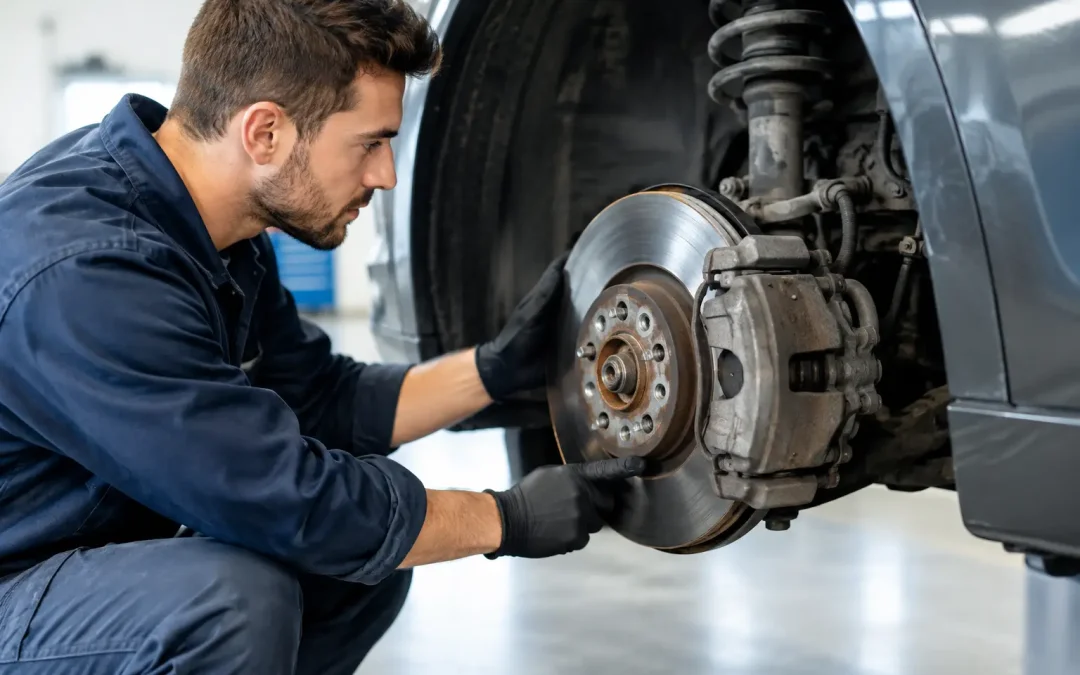
A brake system inspection is not just a quick look at the brake pads. It is a proper check of the parts that help your vehicle stop safely, predictably and in a straight line. If the pedal feels different, the car pulls under brakes, or you hear an unfamiliar noise on the school run or commute, it is worth getting it checked before a small issue becomes an expensive repair.
Brakes rarely fail without warning. More often, they lose performance gradually. That makes it easy to put the problem off, especially when the vehicle is still stopping. The trouble is that worn or uneven brakes can change how your car behaves in a sudden stop, on a wet road, while towing, or heading down a steep hill.
When should you book a brake system inspection?
You do not need to wait for a warning light. Most manufacturers have service intervals, but how often your brakes need attention depends on the vehicle, how it is driven and what it carries. A car used mainly on open roads may get more life from its brake pads than one doing short trips and stop-start traffic every day.
A 4×4 used for towing a caravan, hauling tools or touring with larger tyres puts more demand on its braking system. Added weight and altered vehicle setup can mean the standard brakes work harder, particularly on long descents. In these cases, regular checks are sensible even if there are no obvious symptoms.
Book an inspection promptly if you notice a soft or spongy pedal, a pedal that sinks further than usual, steering vibration when braking, a pulling sensation, grinding or metallic scraping, or a burning smell after driving. A squeal can be caused by dust or pad material and is not always urgent, but it should not be ignored if it persists.
Dashboard brake warnings also deserve attention. Some lights relate to the handbrake or brake fluid level, while ABS and stability-control warnings may point to a sensor or system fault. The vehicle may still stop, but safety systems may not operate as intended in an emergency.
What a proper brake system inspection includes
A worthwhile inspection starts with the driver’s description of the problem. When does the noise occur? Is the pedal different when the car is cold? Does it happen only with a loaded trailer or after a long downhill run? Those details help narrow down the cause before parts are removed or replaced.
The technician will then inspect the brake pads, shoes where fitted, rotors or drums, calipers, brake hoses and hardware. Pad thickness is only one part of the picture. Pads can wear unevenly if a caliper is sticking, slide pins are seized or a rotor has excessive runout. Replacing the pads alone in that situation may make the noise disappear briefly, but it will not fix the underlying cause.
Rotors need to be measured for thickness and assessed for heat spots, deep scoring, cracking and uneven wear. A rotor can look acceptable through the wheel yet still be below its safe minimum thickness or distorted enough to cause pedal pulsation. Whether rotors can be machined or should be replaced depends on their condition, the manufacturer’s specifications and whether enough material remains after machining. Sometimes replacement is the safer and better-value option.
Brake fluid is another important part of the check. Over time, fluid absorbs moisture. That can lower its boiling point and contribute to a poor pedal feel, particularly when brakes are working hard. Moisture can also encourage corrosion inside components. A fluid test and inspection for leaks around the master cylinder, calipers, wheel cylinders and lines helps identify issues that are not visible from the driver’s seat.
A complete check also considers the parking brake, wheel bearings where relevant, tyre condition and suspension components. These systems affect braking stability. For example, a worn suspension bush or tyre with poor grip can make a braking concern feel worse, even when the brake components themselves are within specification.
Diagnosis before replacement matters
There is no benefit in fitting new parts simply because they are easy to sell. If the real cause is a sticking caliper, contaminated pad surface or hydraulic fault, replacing pads without diagnosis can cost you twice.
The right repair should match the vehicle and its use. A family SUV that spends its life around Albury-Wodonga needs dependable, quiet brakes for daily driving. A loaded ute that tows regularly may benefit from components designed to manage more heat and load. Higher-performance or heavy-duty upgrades can be worthwhile, but only where they solve a genuine need. Bigger is not automatically better if the vehicle is lightly used and the standard system is working as it should.
Common brake problems and what they can mean
A high-pitched squeal often means the pad wear indicator is contacting the rotor, although it can also come from glazed pads or a lack of anti-squeal treatment. Grinding usually means the friction material has worn away and metal is contacting metal. At that point, avoid driving the vehicle unless necessary and arrange an inspection as soon as possible. Continued driving can damage rotors, calipers and other parts.
A vibration through the steering wheel under brakes commonly suggests an issue at the front brakes, such as rotor runout or uneven friction transfer. Vibration felt mainly through the seat or pedal may come from the rear, but diagnosis is needed. Wheel balance, tyres and suspension faults can create similar symptoms, so guessing is rarely useful.
If the vehicle pulls left or right during braking, possible causes include a seized caliper, uneven pad wear, contaminated brake components, tyre pressure differences or suspension alignment issues. A pull is not something to dismiss as a quirk of an older car. It can make emergency braking unpredictable.
A firm pedal with poor stopping performance may indicate worn pads, poor-quality friction material, glazed surfaces or incorrect component matching. A soft pedal is more likely related to air in the system, deteriorated fluid, a fluid leak or a hydraulic issue. Both need a proper assessment rather than a quick adjustment.
Why quality parts and correct fitting matter
Brake components work as a system. The pad compound, rotor design, caliper condition and installation method all influence braking feel, noise, wear and heat control. Cheap parts can be tempting when the bill arrives, but poor fitment, inconsistent friction material or inferior hardware may shorten service life and affect performance.
That does not mean every vehicle needs premium performance parts. The sensible choice is the component that suits the vehicle, the load it carries and how it is driven. A specialist workshop should explain the options clearly, including where spending more provides a real benefit and where it does not.
Correct installation is just as important. Mating surfaces must be clean, fasteners tightened to specification, caliper slides checked, and new components bedded in correctly. Bedding in allows pad material to transfer evenly to the rotor surface. Heavy braking immediately after a brake repair can overheat new components and contribute to noise or uneven performance.
What happens after the inspection
After a proper assessment, you should receive straight answers: what is worn, what is unsafe now, what can be monitored, and what the repair involves. Ask to have the findings explained in plain language. If parts need replacing, it is reasonable to ask why, what brand or type is being fitted, and whether related components are contributing to the problem.
At Albury Brake and Clutch Centre, the focus is on diagnosing the actual fault and repairing it properly, not adding work that does not need doing. That approach matters with brakes because the cheapest first job is not always the most economical result if the underlying issue remains.
If your brakes feel different from last month, trust that change. A timely inspection gives you a clear picture of what is happening and the chance to deal with it calmly, before the next wet road, loaded trip or unexpected stop makes the decision for you.