


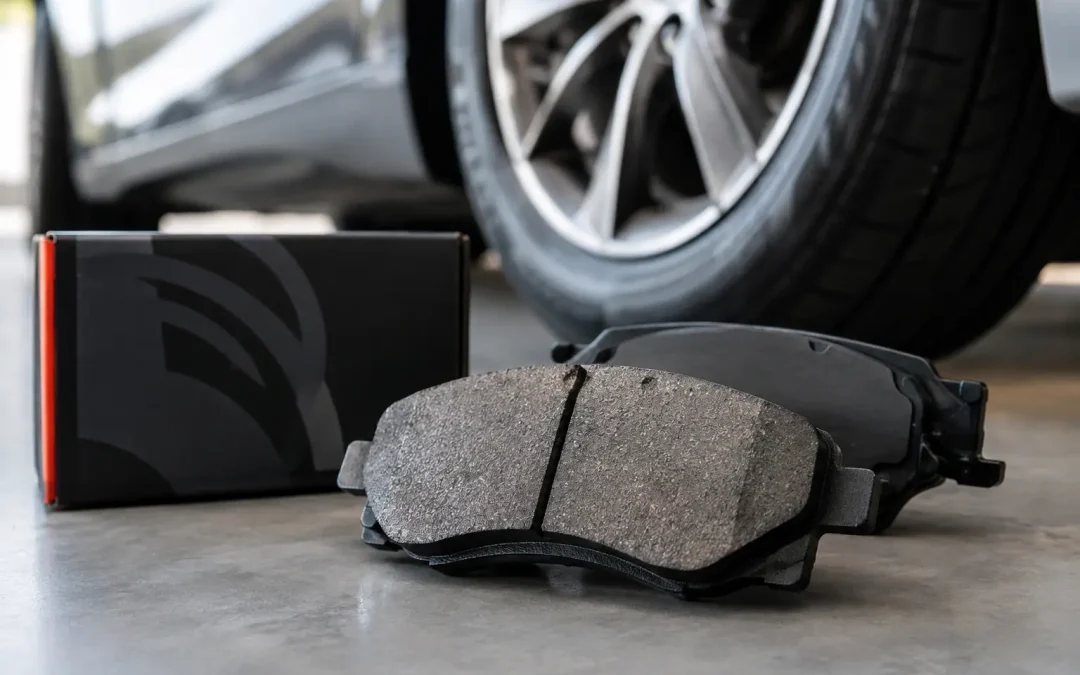
A brake pad choice can feel simple until you are faced with noise, poor pedal feel, dust-covered wheels or a vehicle that is working harder than it used to. DBA Street Series brake pads are designed for drivers who want a quality replacement option for normal road use, but the right result still comes down to the vehicle, the condition of the rest of the braking system and how it is driven.
For a family SUV, daily commuter, ute or weekend 4×4, brake pads should do more than simply pass a roadworthy inspection. They need to deliver predictable stopping performance in traffic, remain controlled when the brakes get warm, and work properly with the rotors fitted to the vehicle. That is why a proper brake inspection matters before parts are selected.
What DBA Street Series brake pads are made for
DBA Street Series brake pads are aimed at everyday on-road driving. They suit motorists looking for a dependable replacement pad from a recognised brake brand, rather than an unknown low-cost option with inconsistent material quality.
In practical terms, that means they are generally a sensible consideration when your vehicle is used for commuting, school runs, regional driving and regular highway kilometres. A good street pad should provide confident cold performance when you first leave home, then stay consistent through repeated stops in town traffic.
They are not automatically the best answer for every vehicle or every job. A heavily loaded 4×4, a caravan-towing vehicle, a performance car driven hard through mountain roads, or a trade ute carrying substantial weight may need a different pad and rotor combination. Brake pads are not a one-size-fits-all component, even when the shape fits the caliper.
The real question: how do you use the vehicle?
Pad selection should start with honest answers about how the vehicle is used. A lightly loaded hatchback that spends most of its time around Albury Wodonga has very different braking demands to a diesel 4×4 towing a camper through the High Country.
For normal road use, the priorities are usually quiet operation, predictable pedal feel, reasonable pad life and rotor compatibility. For towing or heavy loads, heat capacity becomes more important. Larger tyres and increased GVM can also place greater demand on the brakes because there is more mass and rotational force to slow down.
That does not mean every touring vehicle needs the most aggressive pad available. Some higher-performance compounds can create more dust, more noise, faster rotor wear or less refined cold performance. The best setup is the one that suits the job without creating new problems in daily driving.
Pads are only one part of the braking system
Fitting quality pads to worn, damaged or incorrectly machined rotors will not produce the braking result you expect. The same applies if caliper slides are binding, pistons are sticking, brake fluid is overdue or a flexible hose is deteriorating internally.
A proper inspection looks at pad thickness, rotor thickness and condition, caliper movement, hydraulic operation and any signs of uneven wear. If the inner pad is much thinner than the outer pad, for example, there may be a caliper issue that new pads alone will not fix.
This is where spending a little time on diagnosis can save money. Replacing only the visibly worn part may get the vehicle moving again, but it can lead to noise, vibration or premature wear if the cause of the problem has not been addressed.
When DBA Street Series pads can be a sensible choice
For many standard passenger vehicles and light commercial vehicles, a quality street-focused pad is the right middle ground. You are not paying for race-oriented hardware that the vehicle will never use, but you are also avoiding the false economy of bargain pads with unknown friction characteristics.
DBA Street Series brake pads may suit you if your current pads are worn and you want a reputable replacement for everyday driving. They can also be a practical option when replacing rotors at the same time, provided the selected parts are correct for the vehicle and its workload.
The important point is to match the pad to the rotor and application. Some vehicles have different brake options across model years or trim levels, while others use different front brake packages depending on engine size, towing capacity or factory upgrades. Part numbers should always be confirmed against the vehicle, not guessed from a photo or a quick online search.
Signs it is time to have the brakes checked
Brake wear is not always obvious from the driver’s seat. Some vehicles have wear sensors, but many do not, and a warning light does not replace regular servicing. If you notice a change in braking behaviour, it is worth getting it checked before a small job becomes a rotor or caliper repair.
Common signs include squealing or scraping noises, a steering wheel shake under braking, a pedal that feels soft or travels further than normal, pulling to one side, a burning smell after a short drive, or a brake warning light. A grinding noise can mean the friction material has worn away and the backing plate is contacting the rotor. At that point, continuing to drive can quickly damage parts that might otherwise have been serviceable.
Brake dust alone is not necessarily a fault. All friction brakes produce dust. However, excessive dust on one wheel, combined with heat or a pulling sensation, can point to a sticking caliper or another issue that needs attention.
Bedding in new brake pads properly
New pads need time to mate correctly with the rotor surface. This process is commonly called bedding in. It helps establish an even transfer layer between the pad and rotor, which supports consistent braking and reduces the risk of vibration or uneven deposits.
The exact procedure can vary by pad compound and vehicle, so follow the installer’s advice. As a general rule, avoid repeated heavy braking immediately after a brake job unless it is necessary for safety. Allow the brakes to warm through normal, controlled use and avoid coming to a complete stop with very hot brakes clamped hard for an extended period.
If new pads make noise in the first few drives, do not assume they have failed. A brief settling-in period can be normal. Persistent squealing, vibration, pulling or poor pedal feel should be inspected, particularly if the symptoms worsen.
Quality workmanship matters as much as quality parts
Brake pads are a safety-critical item. Correct fitting involves more than removing the old pads and sliding in new ones. The technician needs to inspect the rotor surfaces, clean and lubricate contact points where appropriate, check caliper hardware and confirm the brakes operate correctly before the vehicle leaves.
At Albury Brake and Clutch Centre, the approach is to assess the full system and give straight answers about what needs attention now, what can be monitored and what parts suit the way you use the vehicle. There is no value in fitting an expensive brake package that does not match the job, and no value in cutting corners on components that keep you safe.
If you are considering DBA Street Series brake pads, start with the condition of your current brakes and the work your vehicle does each week. The right pad is not necessarily the most aggressive or the cheapest one. It is the one fitted correctly, matched to the vehicle and ready to perform when you need to stop.