


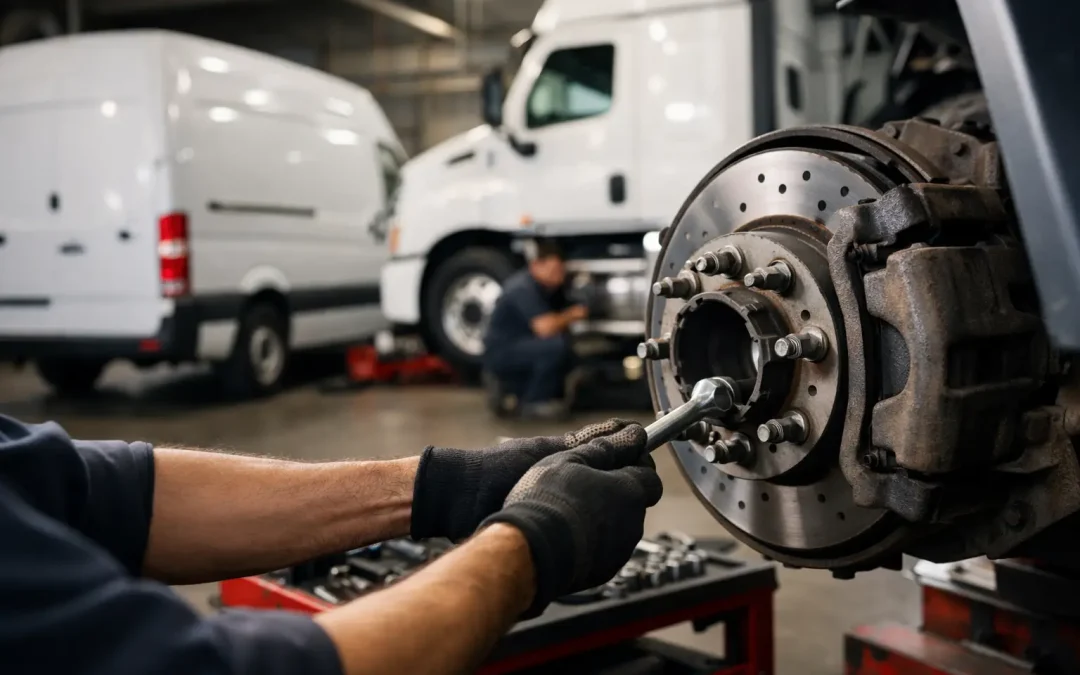
A fleet vehicle can look fine in the yard and still be costing you money on the road. A soft pedal, steering vibration or a brake warning light is not just an inconvenience when the vehicle carries tools, stock, passengers or a trailer. Timely fleet brake repairs protect your drivers, reduce avoidable downtime and help keep every vehicle safe for the work it needs to do.
For trade fleets, delivery vans, utes and 4×4 work vehicles, brakes work harder than most people realise. Stop-start driving, loaded runs, towing, regional kilometres and dusty worksites all place extra demand on pads, rotors, calipers and brake fluid. The right repair starts with finding the real cause, not simply replacing parts and hoping for the best.
Why fleet brakes wear differently
A private car that mainly travels to and from work has a fairly predictable load and driving pattern. Fleet vehicles rarely have that luxury. One ute may spend the week carrying equipment, then tow a trailer on the weekend. A van may make dozens of short stops each day. Another vehicle may regularly travel highways between Albury Wodonga, regional job sites and customer call-outs.
That variation affects how quickly braking components wear. Extra weight creates more heat when stopping. Towing adds further load, particularly on hills and when descending. Repeated short trips can prevent moisture in brake fluid from evaporating fully, while gravel roads and worksite dust can contribute to noise, sticking components and uneven wear.
It does not mean every fleet vehicle needs heavy-duty parts. It means the parts and service plan should suit how that particular vehicle is used. Fitting the cheapest available pads to a loaded work ute can be a false economy if they wear quickly, create excessive dust or lose performance under heat. Equally, an expensive upgrade is unnecessary when standard-quality components meet the vehicle’s actual workload.
Warning signs that should not wait
Drivers are often the first people to notice a change, but they need a simple process for reporting it. Small symptoms can become larger repairs if a vehicle keeps working through them. A worn pad may damage a rotor. A sticking caliper can overheat brakes on one corner and affect handling. Old brake fluid can reduce pedal feel and contribute to internal corrosion over time.
Book an inspection promptly if a driver reports a squeal, grinding noise, steering shudder under braking, a vehicle pulling to one side, a soft or spongy pedal, a brake warning light, or a burning smell after a normal drive. Changes in stopping distance also matter, even if there is no obvious noise.
Some signs need immediate attention. Grinding, a pedal that sinks unusually low, fluid leaks, severe pulling, smoke from a wheel or a red brake warning light are reasons to stop driving where it is safe to do so. Keeping a vehicle on the road to finish one more job is rarely worth the risk to the driver, other road users or your business.
Fleet brake repairs need proper diagnosis
A brake job is not automatically a pad-and-rotor replacement. The visible wear is only one part of the picture. Proper diagnosis looks at the complete braking system and how the fault developed.
A specialist inspection may include pad thickness and wear pattern, rotor condition and measurements, caliper operation, hoses, brake fluid condition, wheel bearings where relevant, parking brake function and warning lights. The technician should also consider the driver’s description, the vehicle’s load, towing use and recent repair history.
Uneven pad wear, for example, may point to a seized slide pin, a sticking caliper piston or a fitting issue rather than ordinary wear. Replacing pads without correcting that cause can leave the fleet with the same problem again far too soon. Similarly, vibration through the steering wheel may come from rotor run-out, but it can also be affected by hub condition, wheel fitment or suspension components.
This is where a clear explanation matters. You should know what has worn, what has caused it, which work is required now and what can reasonably be monitored. Straight answers make it easier to approve repairs and plan maintenance without unnecessary spending.
Choosing parts for reliability, not just price
Brake components are safety-critical, so quality and correct fitment matter. The best choice depends on the vehicle, its load and the type of driving it does. A courier van in urban traffic has different needs from a 4×4 that tows a camper or work trailer, and both differ from a lightly used passenger vehicle.
Quality pads and rotors from established manufacturers provide more consistent performance, appropriate heat handling and dependable fitment. They also help reduce the risk of premature wear, noise and repeat visits. For vehicles that regularly tow, carry heavy loads or run larger tyres, a brake upgrade may be a sensible investment. Increased vehicle mass and tyre size can place greater demand on the original braking setup.
A worthwhile upgrade is not simply about fitting bigger parts. It needs to be compatible with the vehicle and its intended use. The goal is confident, controlled braking and durability, not a modification that creates new issues. Albury Brake and Clutch Centre can assess whether a standard replacement or a heavy-duty brake solution makes better sense for a working 4×4 or ute.
Build brake checks into fleet maintenance
Waiting for a warning noise is not a maintenance plan. Fleets benefit from planned brake inspections that line up with servicing intervals, tyre rotations or seasonal preparation. This helps identify wear before it becomes metal-on-metal damage or unexpected vehicle downtime.
The right interval depends on kilometres, loads, terrain and driving conditions. A vehicle travelling long highway distances may wear brakes differently from one operating all day in town. A towing vehicle or fully loaded service ute may need closer attention than a lightly loaded supervisor’s vehicle. Service records make those patterns easier to see and help you schedule repairs around quieter periods where possible.
Brake fluid is also easy to overlook. Unlike pads, its condition cannot be judged from a quick look through the wheel. Brake fluid absorbs moisture over time, which can lower its boiling point and affect braking under sustained heat. Following the manufacturer’s replacement interval is a practical way to protect the hydraulic side of the system.
Help drivers report faults early
Drivers do not need to diagnose brake faults, but they should feel comfortable reporting them. A short pre-start routine can make a real difference. Before heading out, drivers can check for warning lights, unusual pedal feel, visible fluid leaks and new noises during the first few stops.
It also helps to record the vehicle, date, kilometres, symptoms and conditions when the issue occurred. Did it pull only while towing? Was the noise present when cold, or after several stops? Did the brake warning light appear intermittently? These details give the workshop a better starting point and can reduce diagnostic time.
Avoid encouraging drivers to self-manage a suspected brake problem by driving gently or pumping the pedal. That may mask a fault for a short time, but it does not fix it. Clear reporting and quick assessment are safer and usually cheaper.
Reduce downtime without cutting corners
Every fleet manager wants fast turnaround. The practical balance is getting vehicles back into service promptly while allowing enough time to diagnose, repair and test the work properly. Rushed repairs often create repeat faults, which cost more in lost time than a properly planned booking.
Keeping common service items available, approving necessary work quickly and grouping planned maintenance can all help. But the workshop should still road-test where appropriate, confirm pedal feel and braking performance, and ensure the cause of the problem has been addressed. Brake repairs are not an area for guesswork or shortcuts.
For businesses that depend on their vehicles, a good brake repair partner provides clear recommendations, realistic timing and work that is built to last. That gives you a better chance of keeping the fleet where it belongs – on the road, doing the job safely.