


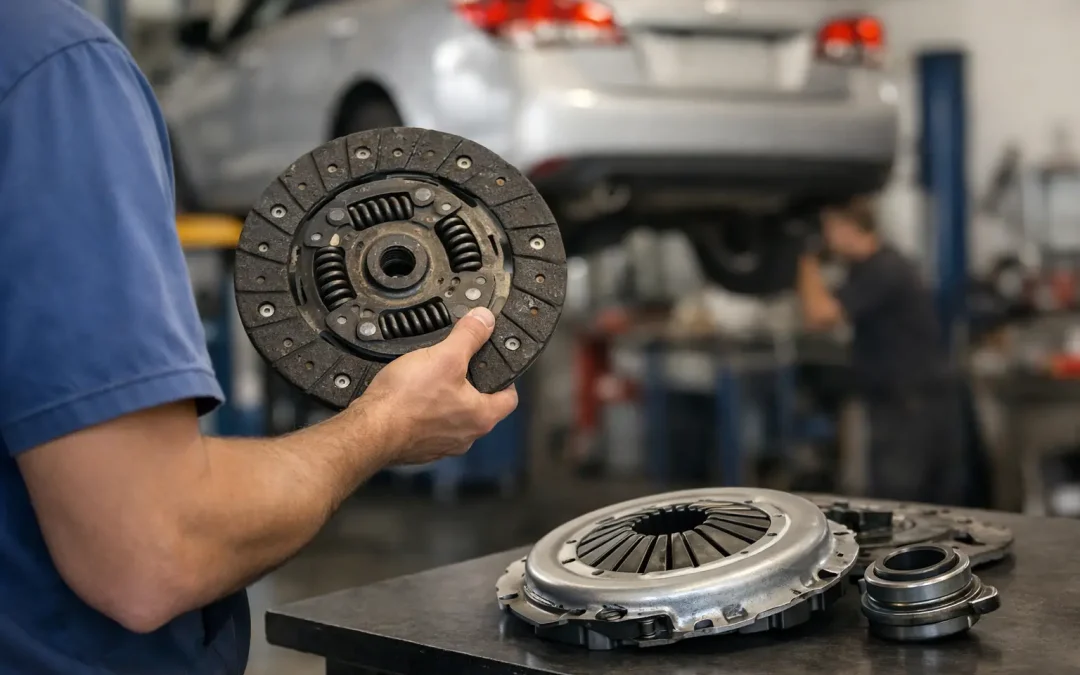
A clutch usually gives you a bit of warning before it gives up completely. The pedal starts to feel different. Gear changes get harder. The engine revs climb but the car does not pull the way it should. If you are looking for a clutch specialist Albury drivers can rely on, the real question is not just who can fit parts – it is who can diagnose the problem properly and fix it once.
That matters because clutch faults are not always as simple as a worn clutch plate. A slipping clutch can point to normal wear, but it can also be tied to driving conditions, hydraulic issues, contamination, or problems elsewhere in the driveline. If the diagnosis is rushed, you can end up paying for work that does not solve the fault. A specialist approach saves time, avoids guesswork, and gives you more confidence in the repair.
Why a clutch specialist in Albury matters
A general workshop can handle plenty of routine servicing, but clutch systems sit in a category where experience counts. Replacing a clutch is labour-intensive, and there is a big difference between swapping parts and working through the full cause of the problem.
A proper clutch specialist will look at how the vehicle is being used, what symptoms it has, and whether anything else should be inspected while the gearbox is out. That includes the flywheel, hydraulic components, seals, release bearing, spigot bearing and related wear items. Missing one of those details can shorten the life of the new clutch or leave you back in the workshop sooner than expected.
For regional drivers, this is even more important. Cars and utes around Albury-Wodonga often do more than school runs and short commutes. They tow trailers, carry loads, travel longer distances and spend time on country roads. That kind of use puts more demand on driveline components. The right repair is not always the cheapest one on paper, but it is usually the one that lasts.
Common signs you need a clutch specialist Albury locals trust
Some clutch problems arrive slowly. Others show up all at once. Either way, there are a few warning signs worth taking seriously.
If the engine revs rise without a matching increase in speed, the clutch may be slipping. If the pedal feels spongy, heavy or inconsistent, there could be hydraulic wear or internal clutch issues. Grinding when selecting gears, difficulty getting into reverse, or a car that wants to creep with the pedal fully down can all point to clutch drag or release problems.
Noise is another clue. A chirping, rattling or rumbling sound when pressing or releasing the pedal may suggest wear in the release bearing or related components. Some noises only appear under load, which is why road testing and careful inspection matter.
Then there is the burning smell that some drivers notice after a hill start, towing, or stop-start traffic. One isolated moment does not always mean the clutch is finished, but repeated overheating is a sign the system is under strain. Left too long, that can turn a manageable repair into a more expensive one.
Proper diagnosis comes before clutch replacement
Not every clutch complaint means the whole assembly needs replacing immediately. That is where honest advice matters.
A workshop worth trusting will ask the right questions first. When did the problem start? Is it worse when cold or hot? Does it happen in every gear? Has the vehicle been towing, carrying extra weight, or been driven off-road? Those details help separate normal wear from other faults.
From there, the vehicle should be assessed properly. That can include checking pedal feel, hydraulic operation, clutch engagement point, road test behaviour and any signs of leaks or contamination. In some cases, the issue is not the clutch friction material at all. A failing master cylinder or slave cylinder can create symptoms that feel very similar to clutch failure.
There are also times when the clutch is worn out, but the flywheel condition is the deciding factor in how the repair should be carried out. Reusing a damaged or heat-spotted flywheel can compromise the new parts. Replacing only the obvious component is often what causes repeat problems.
Cheap clutch jobs can cost more later
Most drivers are cost-aware, and fair enough. A clutch replacement is not a small job. But there is a difference between sensible pricing and false economy.
Low quotes sometimes leave out key parts or skip the detail that makes the repair reliable. If the gearbox is already out, it makes sense to inspect associated components properly. Replacing a worn release bearing, checking seals, and making sure the flywheel is serviceable are not extras for the sake of it. They are part of doing the job properly.
Parts quality also matters. Budget components can look fine on day one but wear faster, feel different, or fail under harder use. That is especially relevant for 4x4s, trade vehicles and anything that tows. The right clutch setup depends on the vehicle, the load it carries and how it is driven. Sometimes a standard replacement is suitable. Sometimes a heavier-duty option is the smarter choice. It depends on the job the vehicle actually does.
What good clutch repair should include
Good clutch repair is not complicated from the customer side. You want straight answers, a clear scope of work, and no pressure. From the workshop side, though, there is a process that should not be skipped.
First, the fault needs to be confirmed. Then the repair plan should match the condition of the vehicle, not just the symptom. If replacement is needed, quality parts should be used and the related components inspected at the same time. Once fitted, everything should be checked for correct operation so the car goes back on the road with proper pedal feel, clean gear changes and predictable engagement.
That sounds basic, but it is exactly where specialist workshops stand apart. They know what commonly gets missed. They know which vehicles have recurring clutch issues and which setups need a more durable solution. That experience is what helps avoid comebacks.
Clutch problems in 4x4s, towing vehicles and work utes
Not all clutch wear happens for the same reason. A small hatch used for commuting has very different demands compared with a 4×4 set up for touring or a ute that spends its life carrying tools and towing.
Extra weight, larger tyres, frequent towing and low-speed off-road driving all put additional strain on the clutch. In these cases, a standard replacement may not always give the best long-term result. The right advice depends on how the vehicle is used day to day.
This is where a specialist workshop can be especially valuable. Instead of treating every clutch job the same, they can recommend a setup suited to the load and operating conditions. That does not mean overselling heavy-duty parts to everyone. It means matching the repair to the real use of the vehicle.
For some drivers, that could mean upgrading to a clutch better suited to towing or carrying increased loads. For others, it may simply mean addressing wear early before it damages related components. Either way, the goal is the same – reliable performance without paying for things you do not need.
Choosing the right clutch specialist Albury workshop
If you are comparing workshops, ask a few simple questions. Do they explain the fault clearly? Do they talk about diagnosis before replacement? Do they use quality components? Are they willing to tell you when a cheaper option is suitable and when it is not?
A good specialist should make the process easier, not more confusing. You should know what is being repaired, why it needs doing, and what to expect next. There should be no vague language, no pressure, and no unnecessary upselling.
That is one reason many local drivers choose a dedicated workshop such as Albury Brake and Clutch Centre. The value is not just in replacing worn parts. It is in knowing the problem has been assessed properly, the repair has been carried out with care, and the vehicle is safe to put back into everyday use.
If your clutch has started slipping, shuddering, dragging or making gear changes harder than they should be, leaving it for later rarely makes life easier. A proper inspection now can often prevent a bigger repair later – and get you back on the road with fewer surprises.