


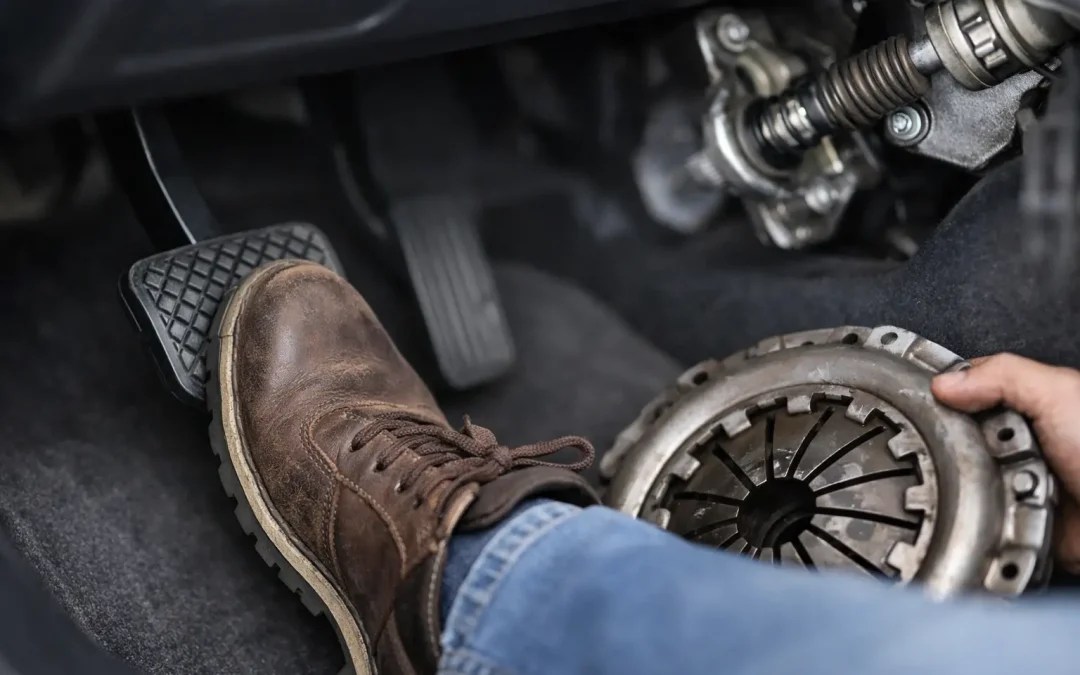
A clutch pedal should have a firm, predictable feel, but it should not feel like you are doing a leg workout in peak-hour traffic. If you are asking, “why is clutch pedal heavy?”, the answer is usually somewhere between the pedal and the clutch itself. It may be a worn cable, a fault in the hydraulic system, a binding release mechanism or a clutch assembly that is reaching the end of its useful life.
A heavy pedal is more than an annoyance. It can make the vehicle tiring to drive, increase the chance of stalling, and be an early sign of a failure that could leave you unable to select a gear. The right repair depends on proper diagnosis, not simply replacing parts until the pedal feels better.
Why Is Clutch Pedal Heavy in Some Vehicles?
Not every clutch pedal feels the same. A heavy-duty ute used for towing, a performance vehicle, and an older four-wheel drive may naturally have a firmer pedal than a small passenger car. Some aftermarket clutch kits are also designed to hold more torque, and that extra clamping force can mean extra pedal effort.
The key is change. If your clutch has always been firm but remains smooth and easy to operate, it may be normal for that vehicle. If it has gradually become harder to press, suddenly feels stiff, or is accompanied by gear-selection trouble, it needs attention.
A clutch system works by transferring your foot pressure through either a cable or hydraulic components to disengage the clutch. Any resistance, corrosion, wear or misalignment in that chain can make the pedal feel heavier than it should.
Common Causes of a Heavy Clutch Pedal
A worn or binding clutch cable
Many older vehicles use a cable between the clutch pedal and the clutch release arm. Over time, the cable can dry out internally, fray, stretch or bind in its outer sleeve. Rust and dirt around the cable routing can also add resistance.
This often causes a pedal that feels heavy, rough or inconsistent through its travel. In some cases, the pedal may be easier to press one day and much stiffer the next, particularly in wet or cold conditions. A cable can eventually snap without much warning, leaving the clutch pedal on the floor or making gear changes impossible.
Replacing a worn cable is generally more straightforward than replacing the clutch itself, but the cable routing and pedal mechanism should be checked properly at the same time. A new cable fitted over a worn pedal pivot or damaged release arm will not solve the underlying issue for long.
Trouble in the hydraulic clutch system
Most newer manual vehicles use hydraulic fluid rather than a cable. When you press the pedal, the clutch master cylinder sends fluid to a slave cylinder, which operates the clutch release mechanism.
Hydraulic faults more commonly cause a soft pedal, a pedal that sinks, or difficulty disengaging the clutch. However, a sticking master cylinder, seized slave cylinder or contaminated fluid can also create a stiff or uneven pedal feel.
Look for fluid leaks around the clutch pedal, under the bonnet near the master cylinder, or around the gearbox bellhousing. A falling fluid level, difficult gear selection and changes in pedal feel should be checked promptly. Hydraulic components can fail internally too, so no visible leak does not automatically rule them out.
A worn release bearing or clutch fork
The release bearing sits between the clutch release mechanism and the pressure plate. Each time you press the clutch pedal, it moves against the pressure plate fingers to disengage drive from the engine to the gearbox.
If the bearing is worn, dry or beginning to seize, the pedal can feel heavy or notchy. You may also hear a whirring, squealing or rumbling noise when the clutch pedal is pressed. A bent, cracked or poorly lubricated clutch fork can produce similar symptoms.
These parts are usually housed inside the gearbox bellhousing. Accessing them normally requires removal of the gearbox, which is why a full inspection matters. If the clutch is already due for replacement, fitting a quality clutch kit and replacing related worn components at the same time is often the sensible long-term option.
A failing pressure plate
The pressure plate provides the clamping force that keeps the clutch engaged. Its diaphragm spring is also what you work against when pressing the pedal. If those springs are damaged, distorted or excessively worn, pedal effort can change noticeably.
A heavy pressure plate may be part of a clutch kit designed for high-torque work, but it can also point to a problem. Heat damage from slipping, a poorly matched clutch kit, or a component that has been fitted incorrectly can all affect how the pedal feels.
A clutch plate that is simply worn out does not always make the pedal heavy. More often, it causes slipping under acceleration, a high engagement point, a burning smell or reduced pulling power. But because the clutch disc, pressure plate and release bearing work together, it makes sense to assess the complete assembly rather than blame one part straight away.
Pedal box or pivot wear
Sometimes the problem starts inside the cabin. The clutch pedal pivots on bushes and mounting points that can wear, seize or lose lubrication. A damaged pedal return spring, worn linkage or movement in the pedal box can all add resistance.
This is especially worth checking when the pedal feels stiff right from the top of its travel, squeaks as it moves, or has side-to-side play. It may be a relatively small repair, but leaving it can place extra stress on the cable or hydraulic master cylinder.
Warning Signs That Need Prompt Attention
A heavy clutch pedal should be booked in before it becomes a breakdown, particularly if other symptoms are appearing. Do not ignore it if you notice:
- grinding or resistance when selecting first gear or reverse
- a pedal that is stiff, then suddenly soft or drops to the floor
- squealing, rumbling or scraping sounds when the pedal is pressed
- clutch slip when accelerating, towing or driving uphill
- fluid leaks, a burning smell, or a clutch bite point that has changed quickly
If the clutch will not disengage properly, forcing the gear lever can damage gearbox components. Pull over safely if needed and arrange an inspection rather than trying to drive through the problem.
Can You Keep Driving With a Heavy Clutch Pedal?
It depends on the cause and how quickly the pedal has changed. A pedal that has always been slightly firm, with no noises or shifting issues, may not be urgent. A newly heavy pedal, particularly one that feels rough or makes selecting gears difficult, should not be put off.
There is also a safety and practical side to consider. Stop-start driving around Albury-Wodonga, school runs, commuting and towing can quickly become difficult if the clutch starts binding. If a cable snaps or a hydraulic cylinder fails, the vehicle may not be driveable at all.
Avoid spraying lubricant randomly around the pedal, cable or bellhousing in the hope of a quick fix. Some external pivots may need correct lubrication, but lubricant will not repair an internally damaged cable, failing release bearing or worn pressure plate. It can also attract dirt or contaminate components where it does not belong.
How a Proper Clutch Diagnosis Saves Money
A good clutch inspection starts with the basics: pedal feel, pedal travel, fluid condition, visible leaks, cable operation and gear selection with the engine running. A technician can then identify whether the issue is external to the gearbox or whether the clutch assembly needs to be removed and inspected.
That distinction matters. Replacing a clutch kit when a cable or pedal pivot is the real issue wastes money. Equally, replacing only a slave cylinder when a worn clutch release bearing is binding can mean paying for gearbox removal twice.
At Albury Brake and Clutch Centre, the focus is on straight answers and repairs done properly, using quality components suited to the vehicle and how it is used. For a daily driver, that may mean restoring a light, reliable pedal. For a work ute or tourer, it may mean selecting a clutch that handles towing and load without creating unnecessary pedal effort.
A heavy clutch pedal rarely fixes itself. Having it checked while the vehicle is still shifting normally gives you more repair options, helps prevent an inconvenient roadside failure, and keeps every gear change feeling the way it should.